MacLean Vehicle Monitoring System (VMS)
Mining operators and internal teams lacked real-time visibility into vehicle health during long underground shifts, relying on delayed and fragmented email-based updates
My Role
Product Designer / UX Researcher
Timeline: 2022–Present
Platform:
Web (B2B, Enterprise, Safety-Critical)
Timeline
2022 - currentProject Overview
The Vehicle Monitoring System (VMS) is a web-based platform designed to provide real-time and historical visibility into MacLean’s mining vehicles operating underground and above ground.
The product enables customers and internal teams to monitor vehicle health, faults, battery, and engine conditions during long underground shifts where vehicles are disconnected from external networks.
VMS replaced manual, email-based reporting with a centralized digital experience, improving safety visibility, operational efficiency, and customer support in a high-risk mining environment.
Problem & Context
Before VMS, customers depended on daily email reports from internal technicians to understand vehicle performance and issues. This process was slow, fragmented, and difficult to track over time.
For MacLean, this created operational overhead and posed a competitive risk, as key competitors were already offering digital monitoring solutions. In a safety-critical mining environment, delayed or missed information could lead to serious consequences.
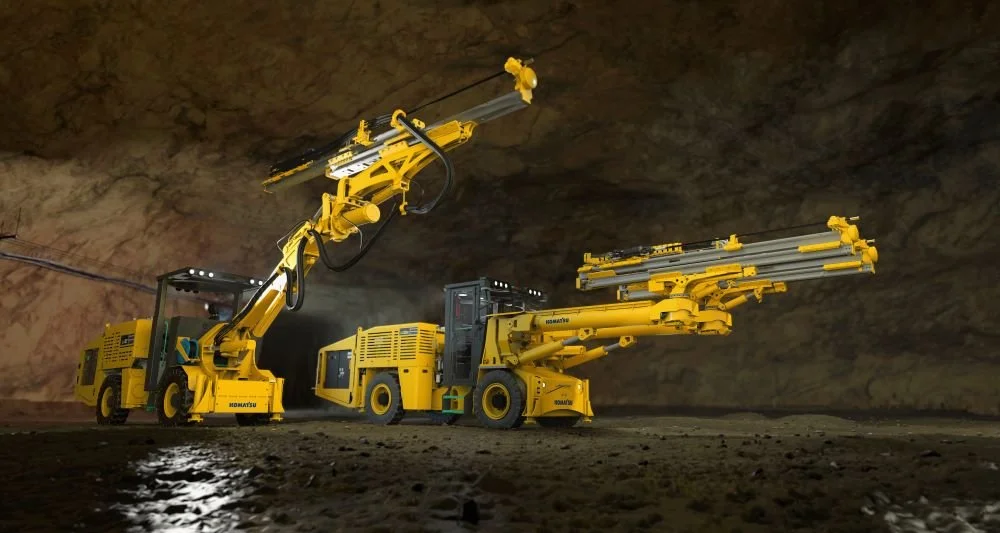
The environment that MacLean Vehicles works in.
My Role & Ownership
I was the sole Product / UX Designer responsible for the end-to-end design of the Vehicle Monitoring System.
I owned:
• Discovery and user research from scratch
• User interviews, surveys, and field observations with customers and internal teams
• Creation of personas, empathy maps, and experience maps
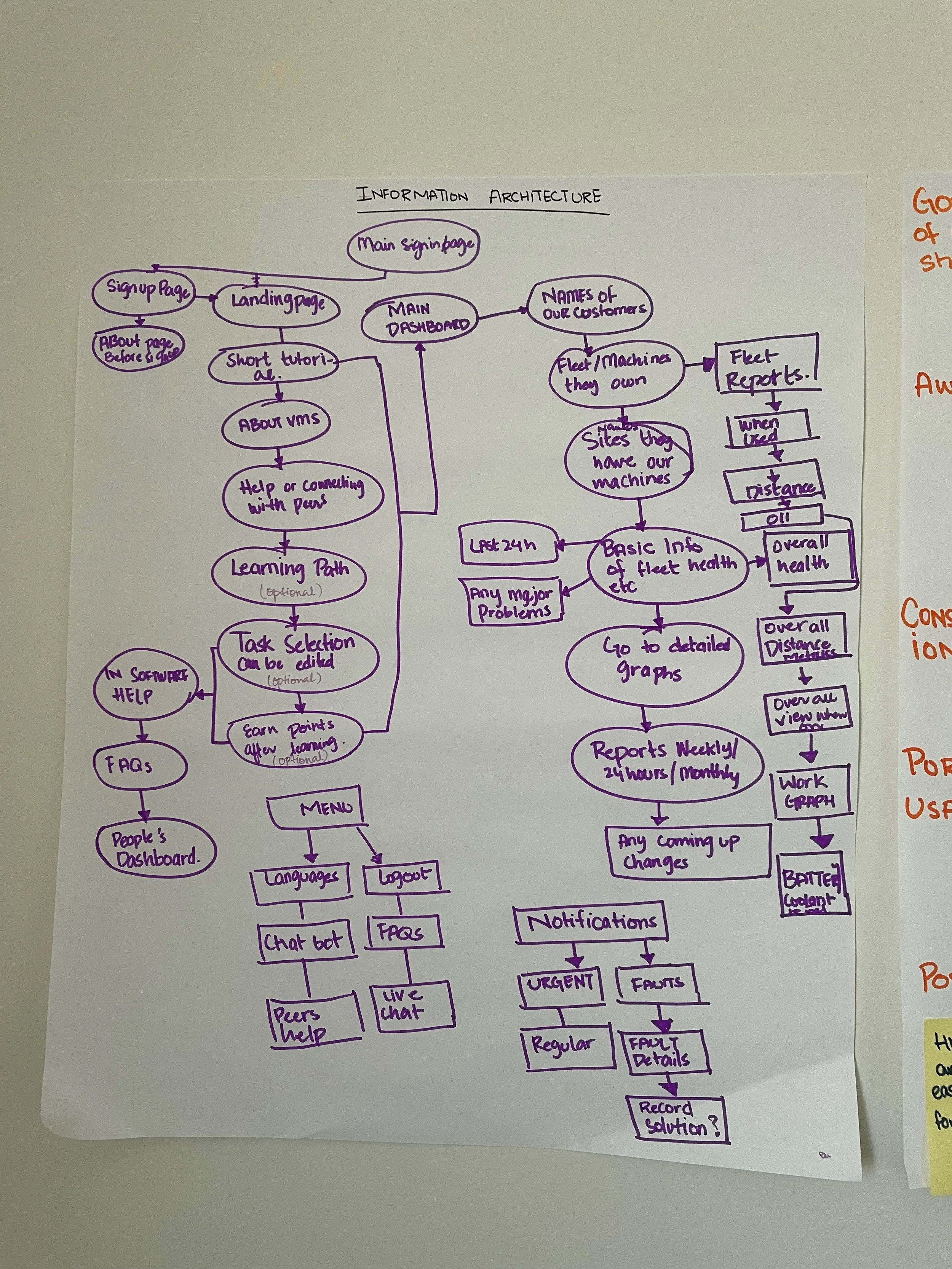
• Definition of user flows, information architecture, and interaction patterns
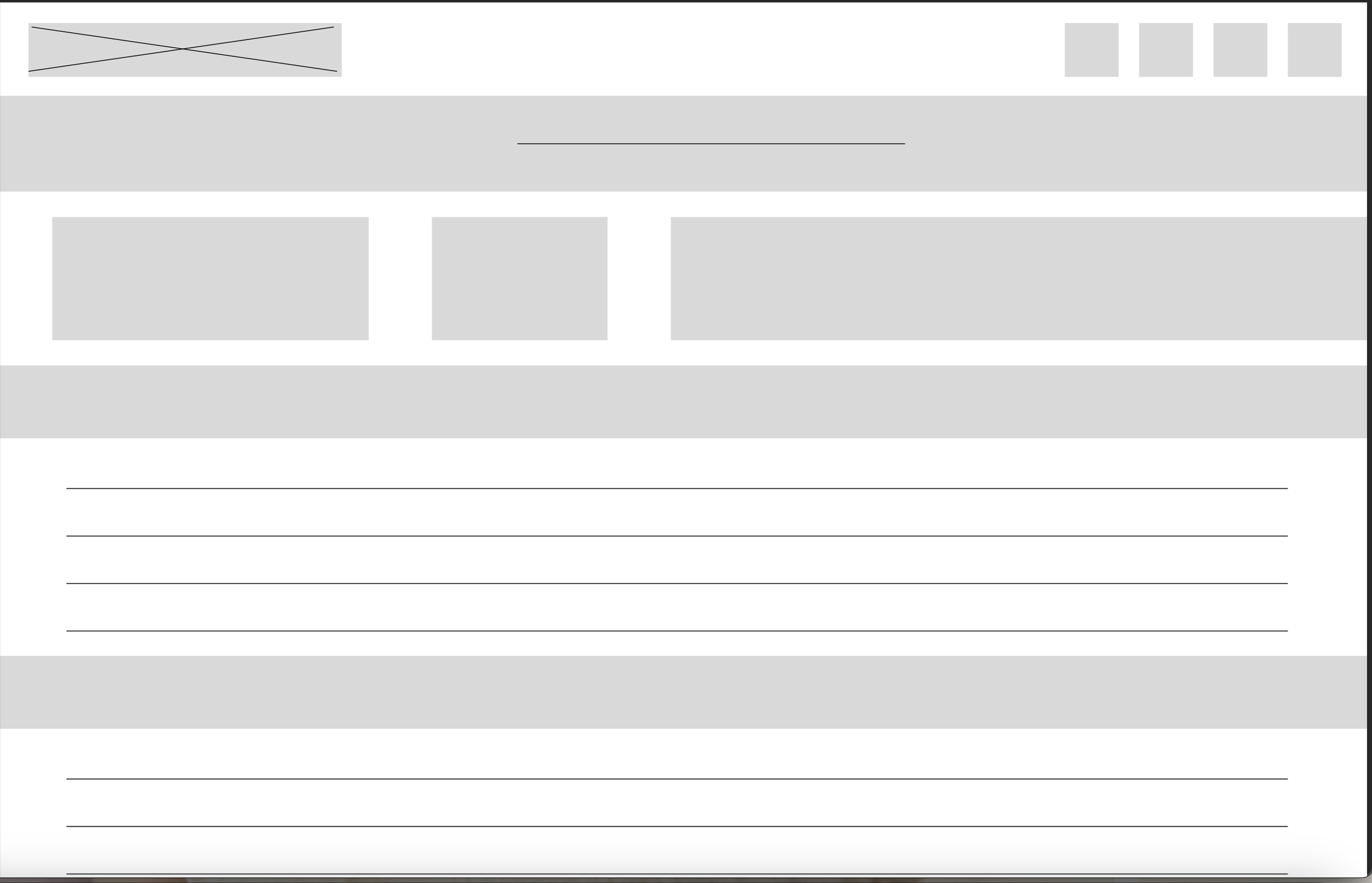
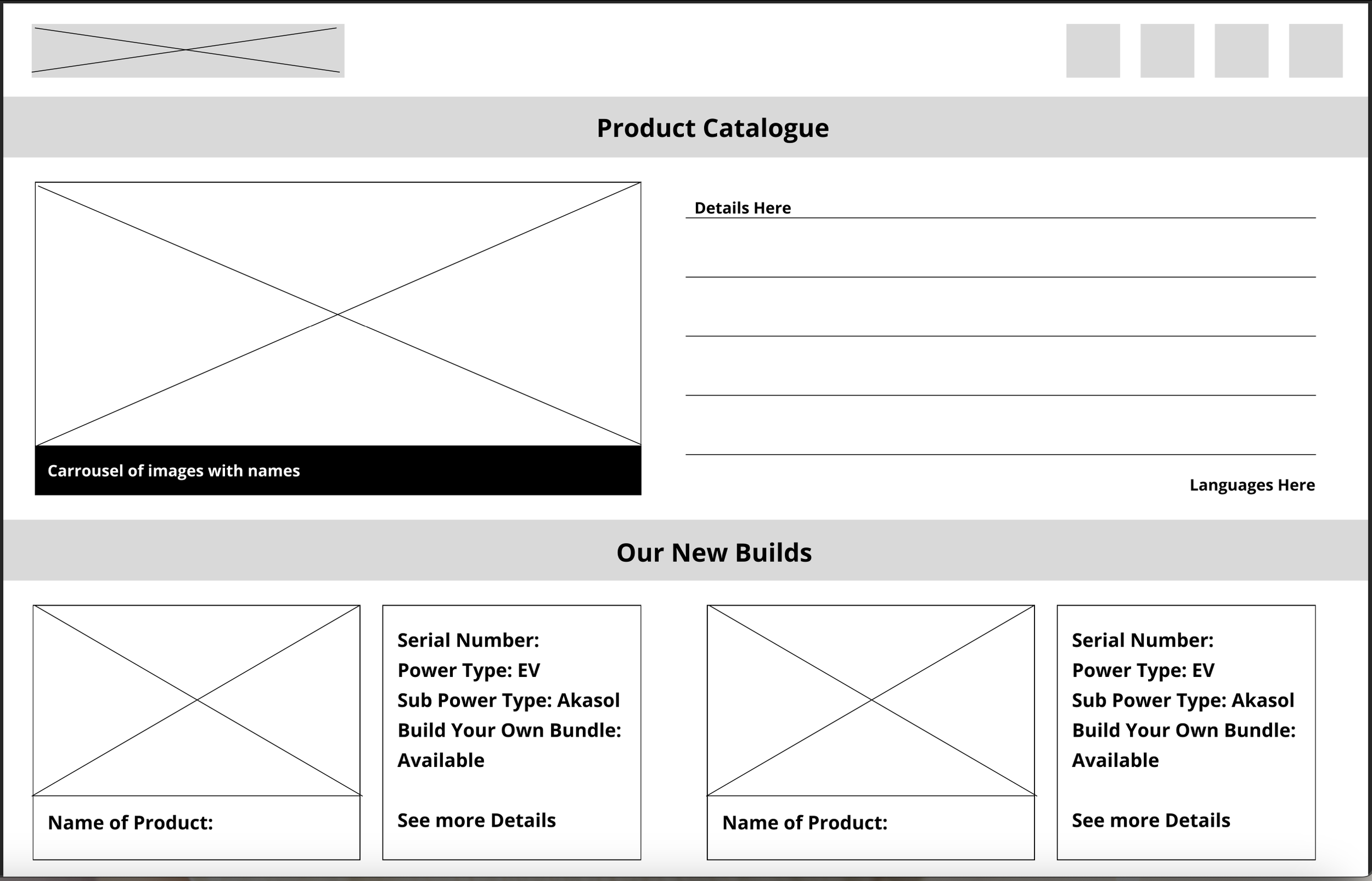
• Wireframes, high-fidelity prototypes, and production-ready design specifications
• Design system components, iconography, and visual assets aligned with company branding
• Planning and running usability testing sessions
• Iterating designs based on user feedback and technical constraints
• Close collaboration with product managers, engineers, technicians, and operators
Research & Discovery
Methods
• User interviews
• Surveys
• Task-based usability testing
• Observation
• Card sorting
Participants
30–40 users across customers, technicians, and internal teams.
Key Insights
Insight 1
What we learned
Operators lacked a centralized, reliable way to access detailed vehicle information, making it difficult to quickly understand vehicle status, history, and emerging issues.
Why it mattered
This fragmentation increased the risk of delayed issue resolution and inconsistent decision-making — a critical concern in a safety-sensitive mining environment.
⸻
Insight 2
What we learned
Users lacked continuous visibility into vehicle status, except during physical inspections or scheduled updates.
Why it mattered
Limited visibility increased the risk of missed or delayed responses to vehicle faults, increasing safety and operational risk.
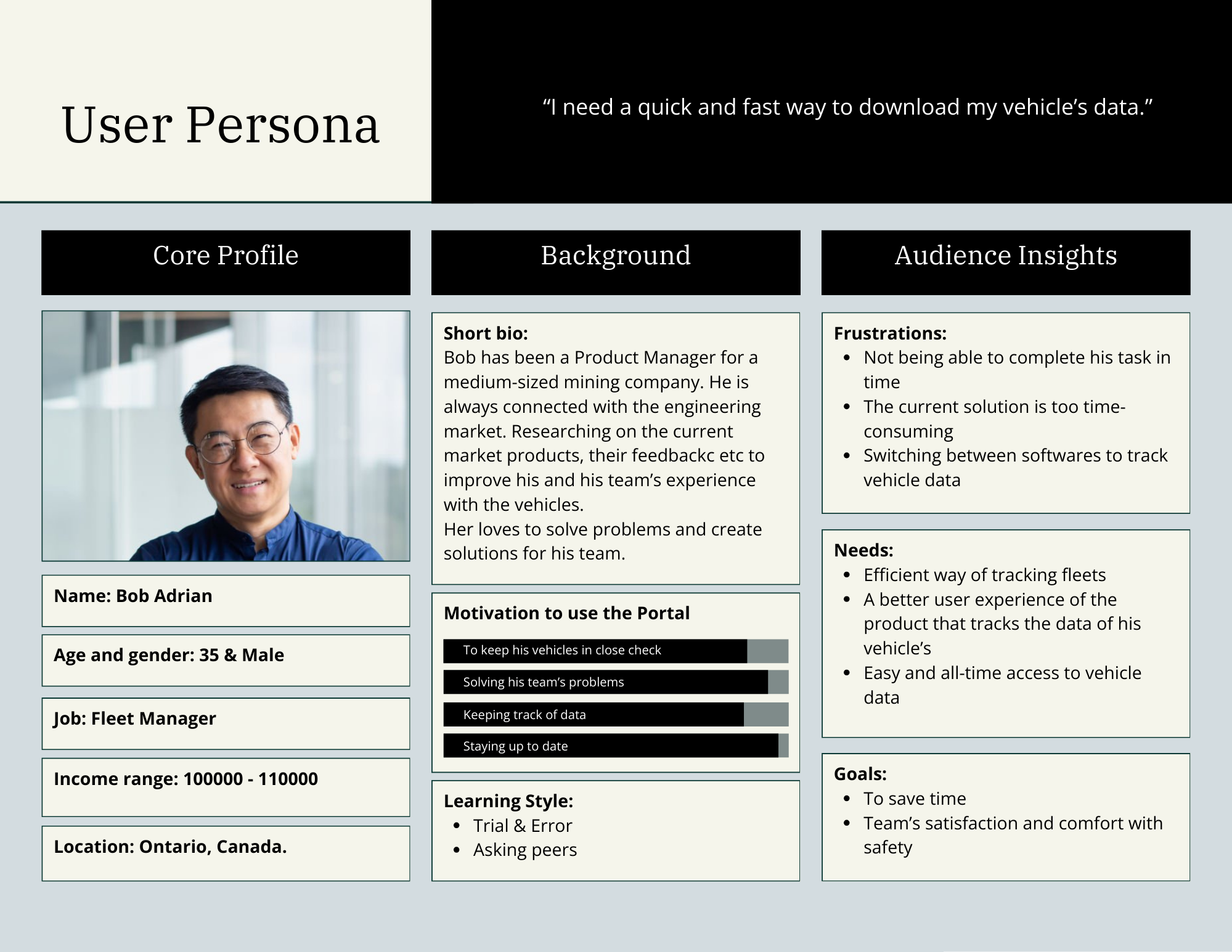
User Persona
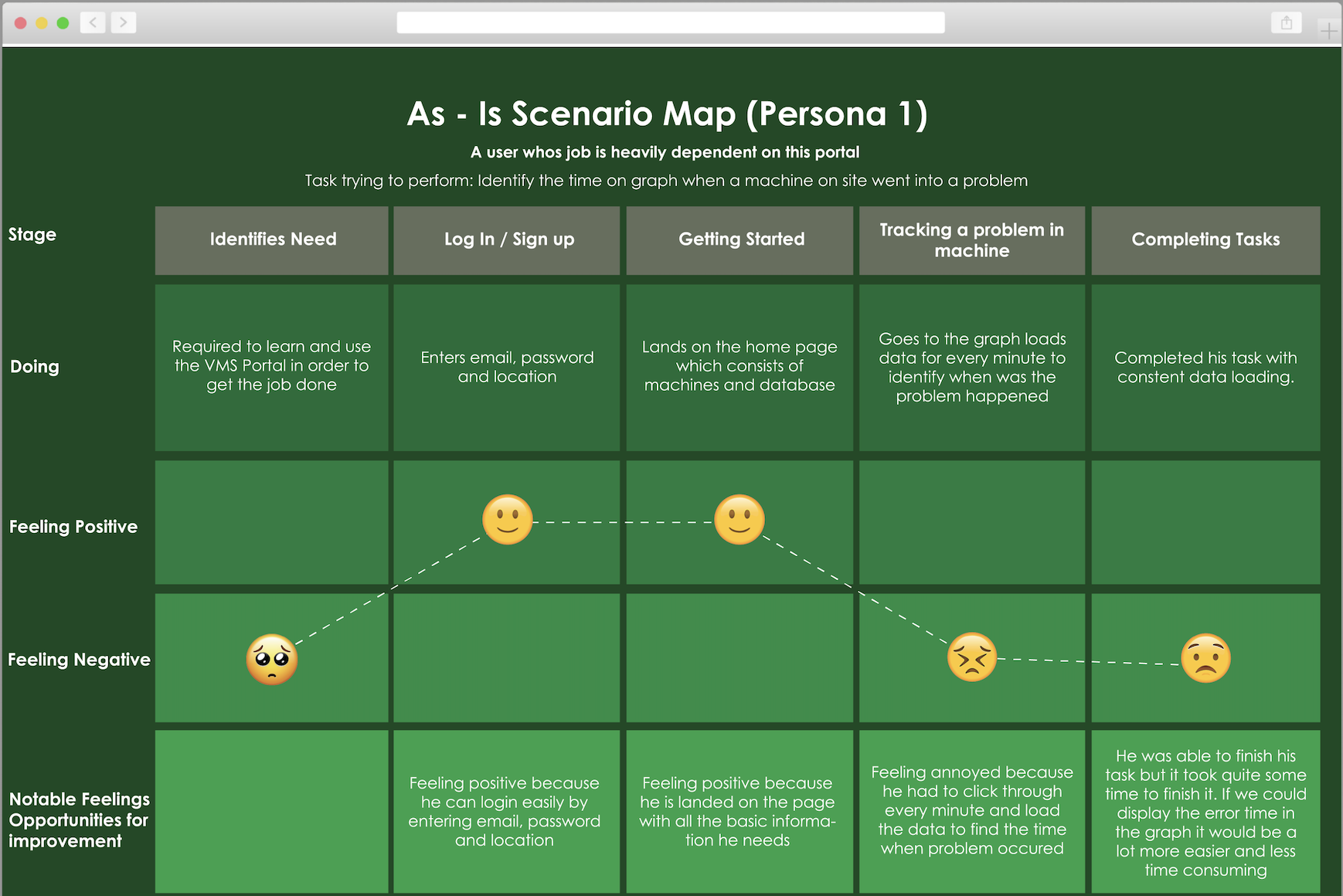
As-Is Scenario Map
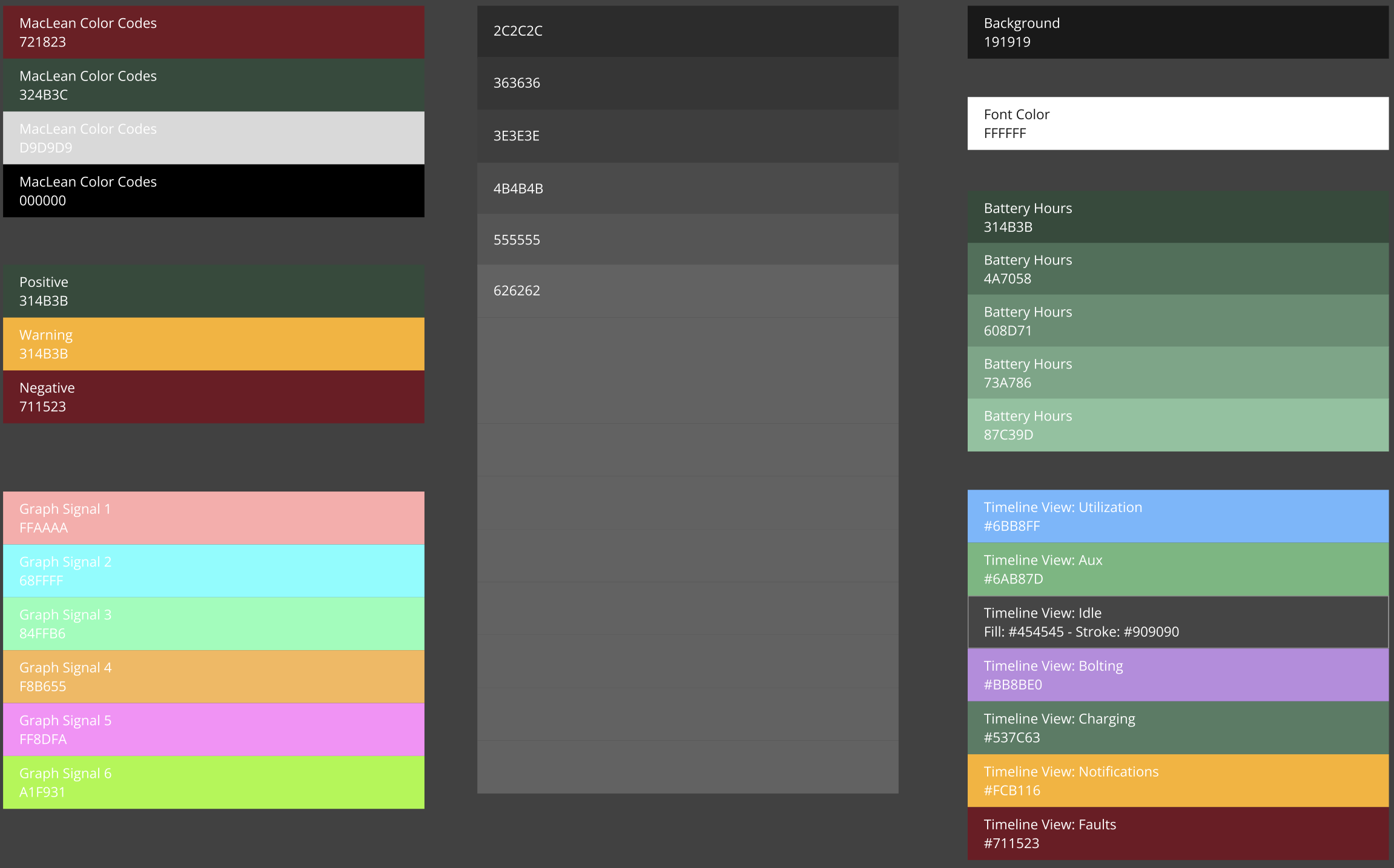
Initial Architecture, Colour Palette & Fonts
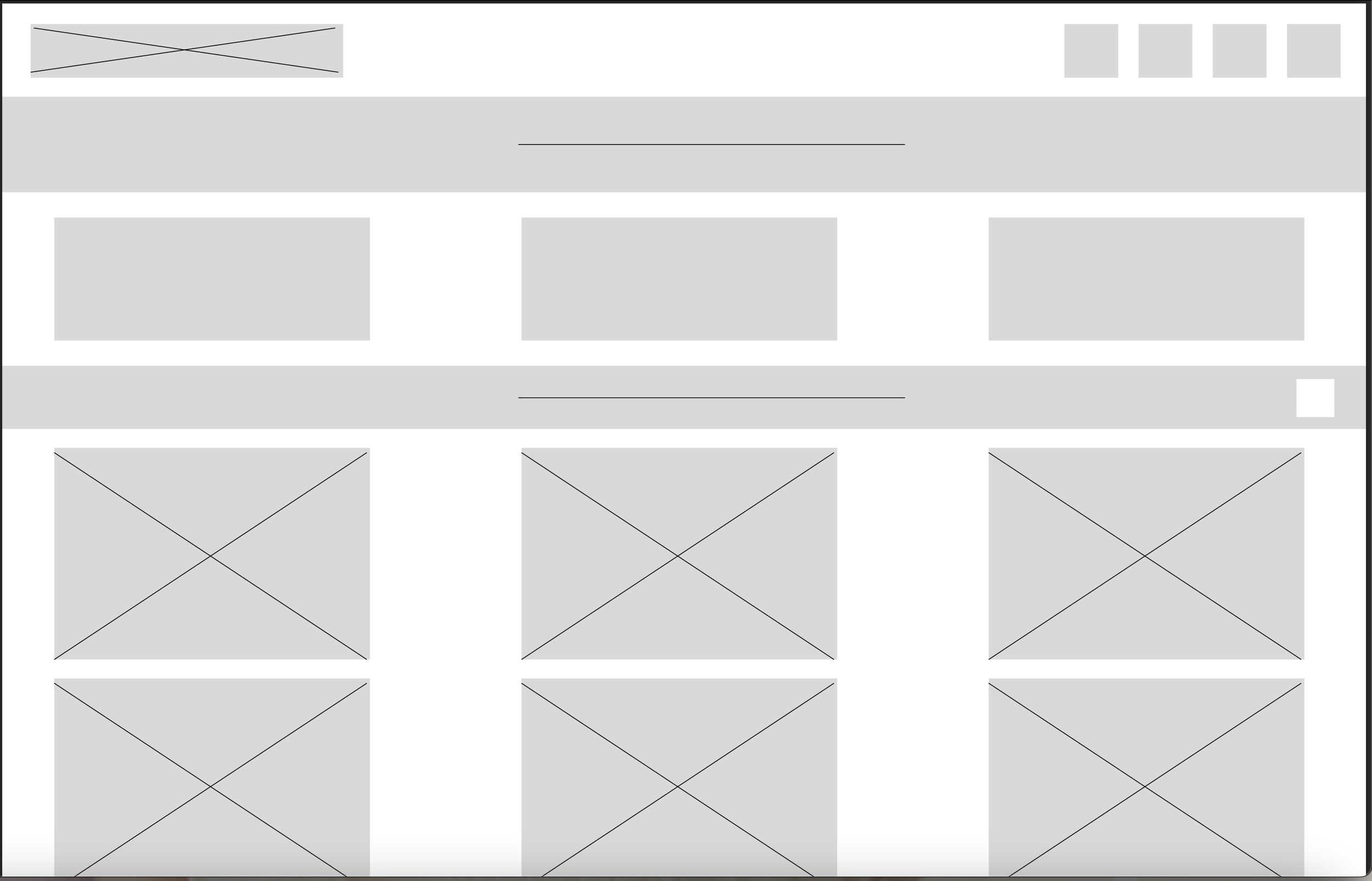
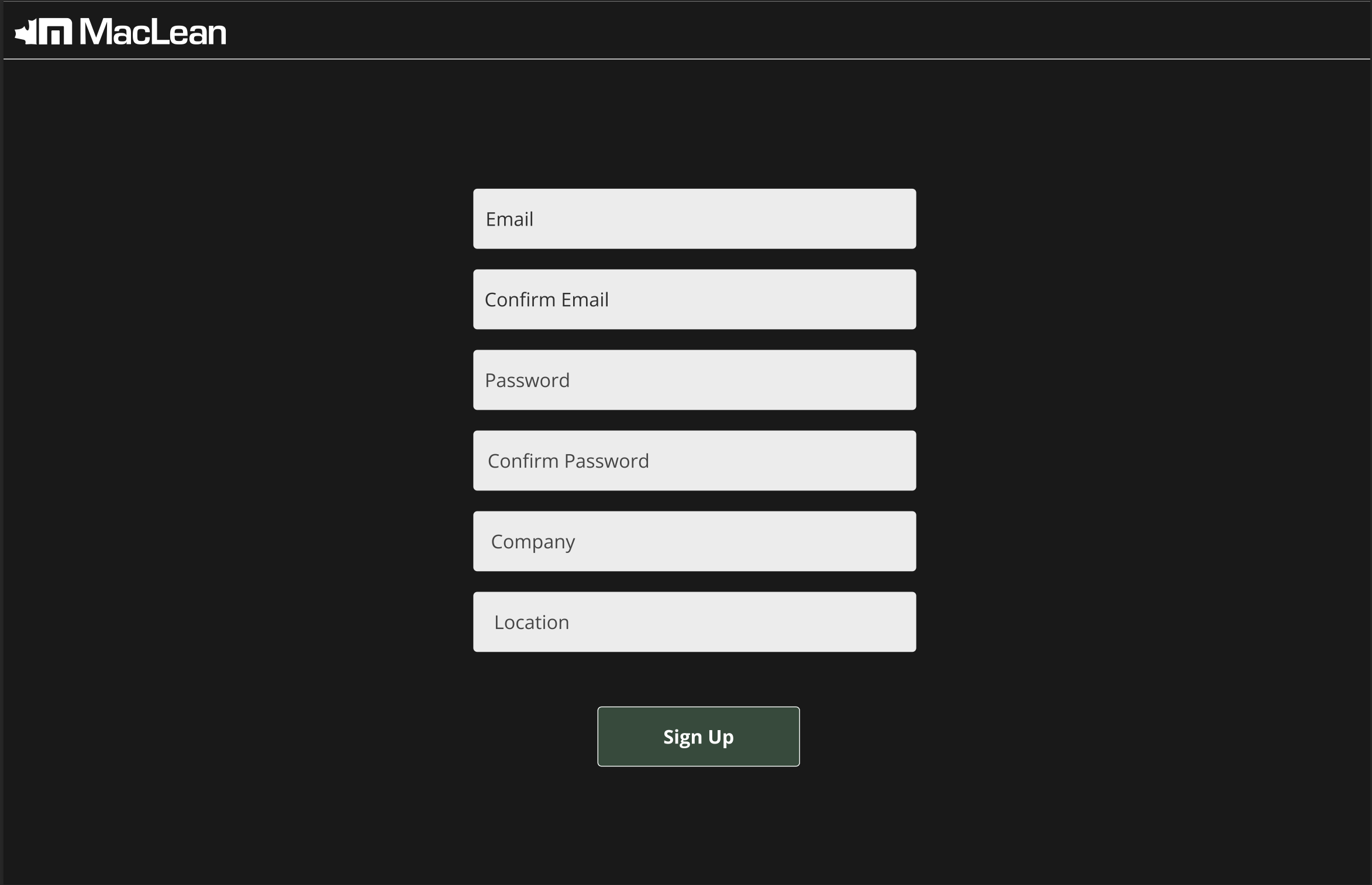
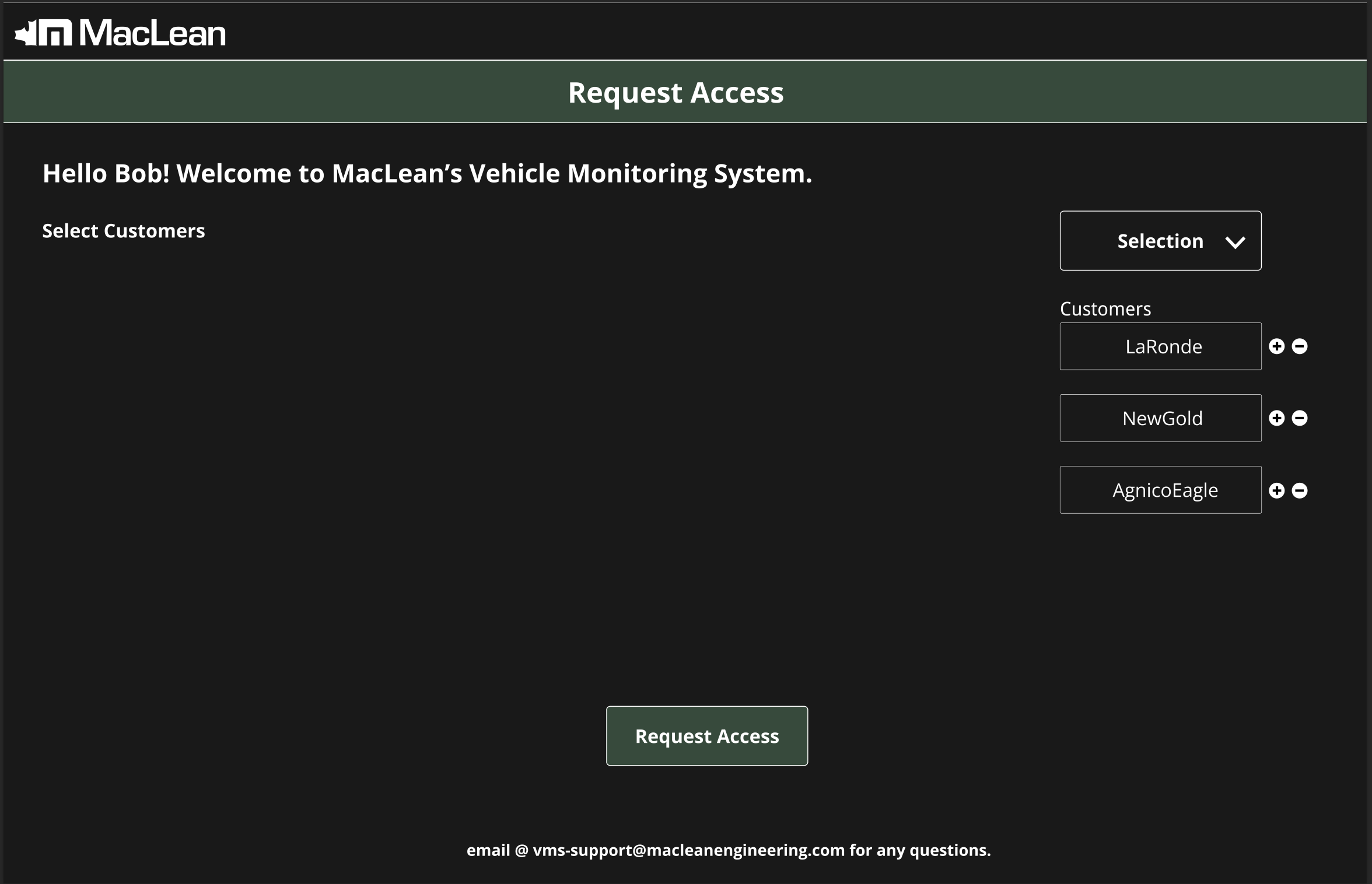
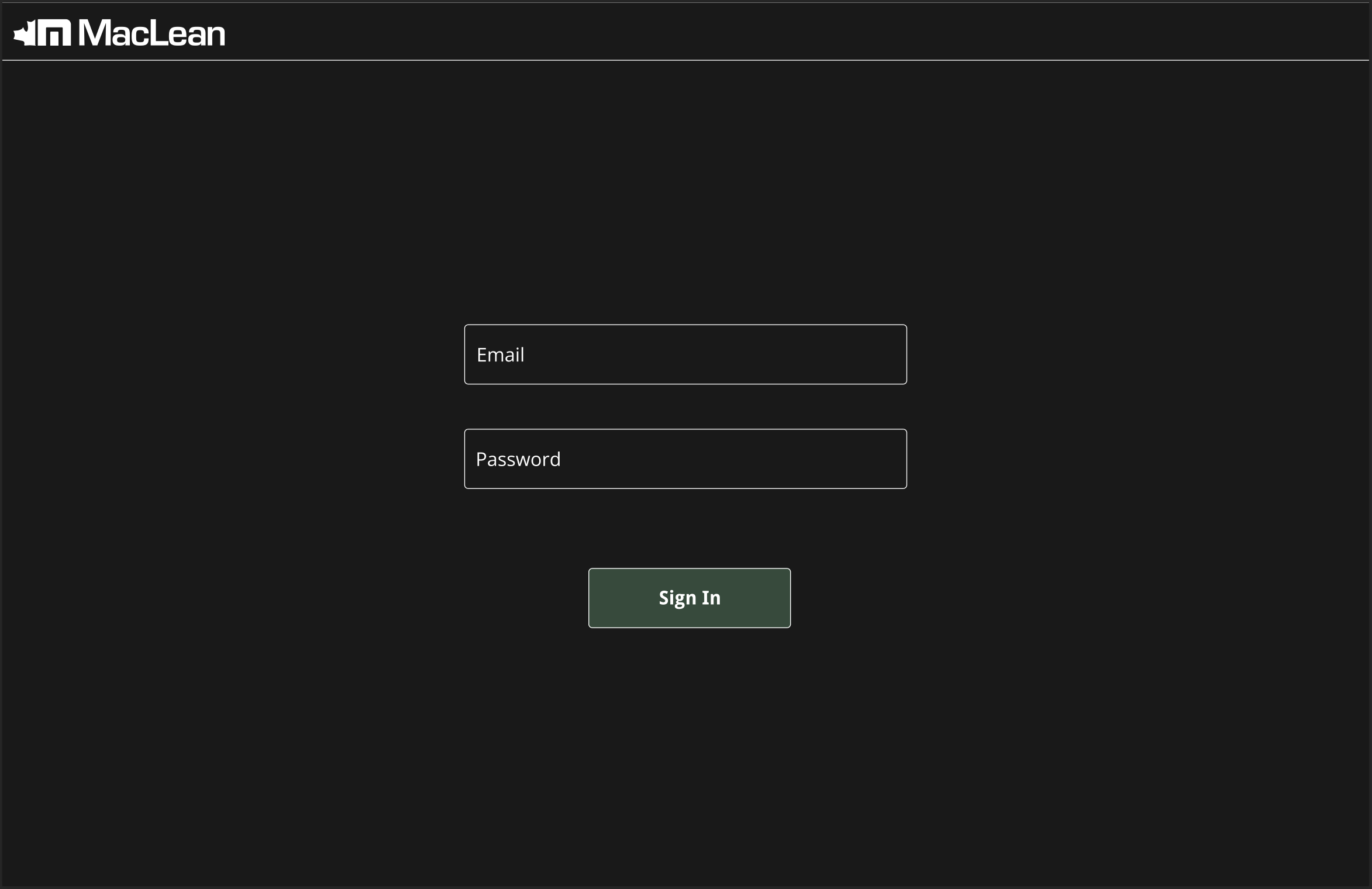
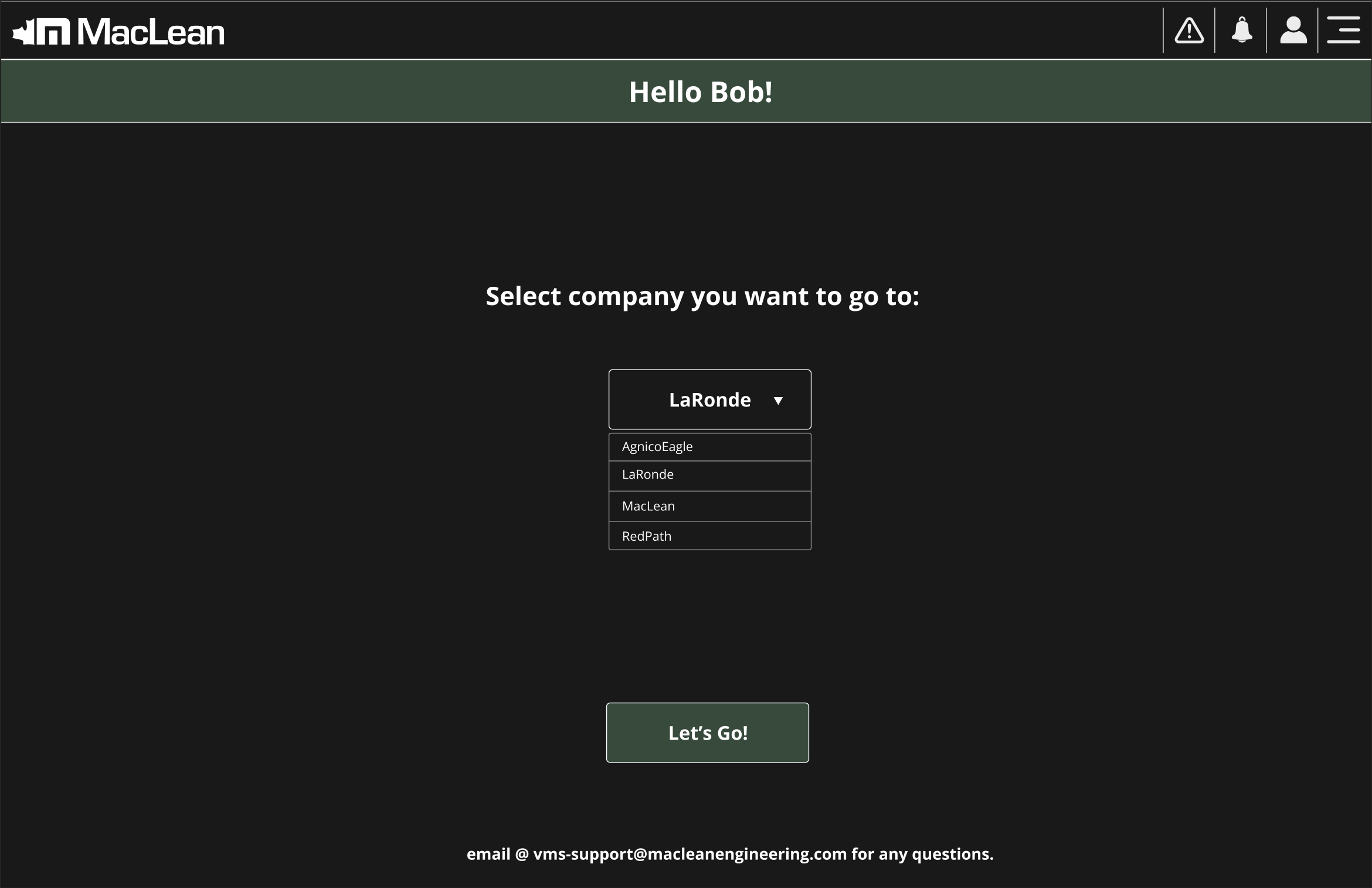
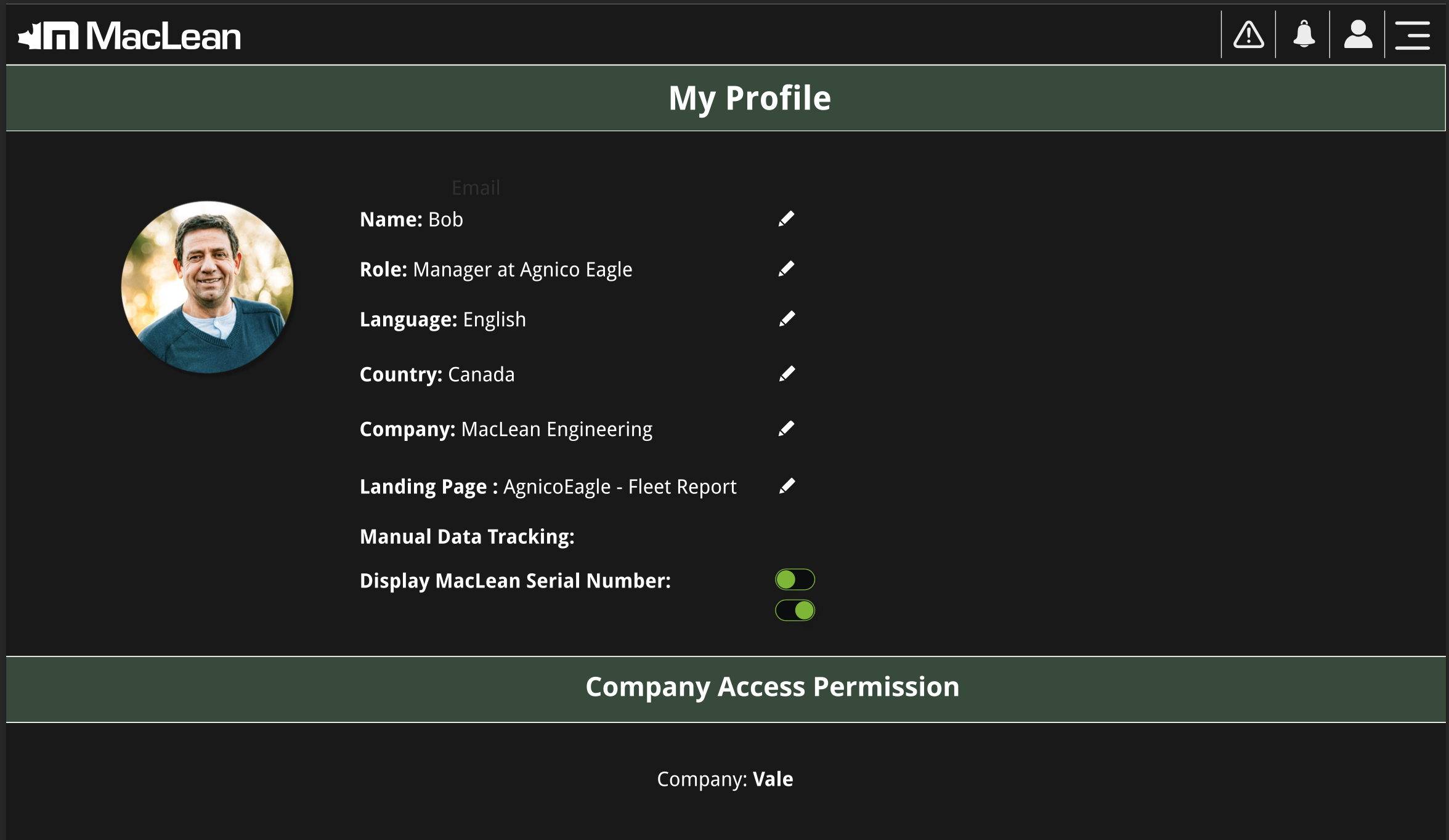
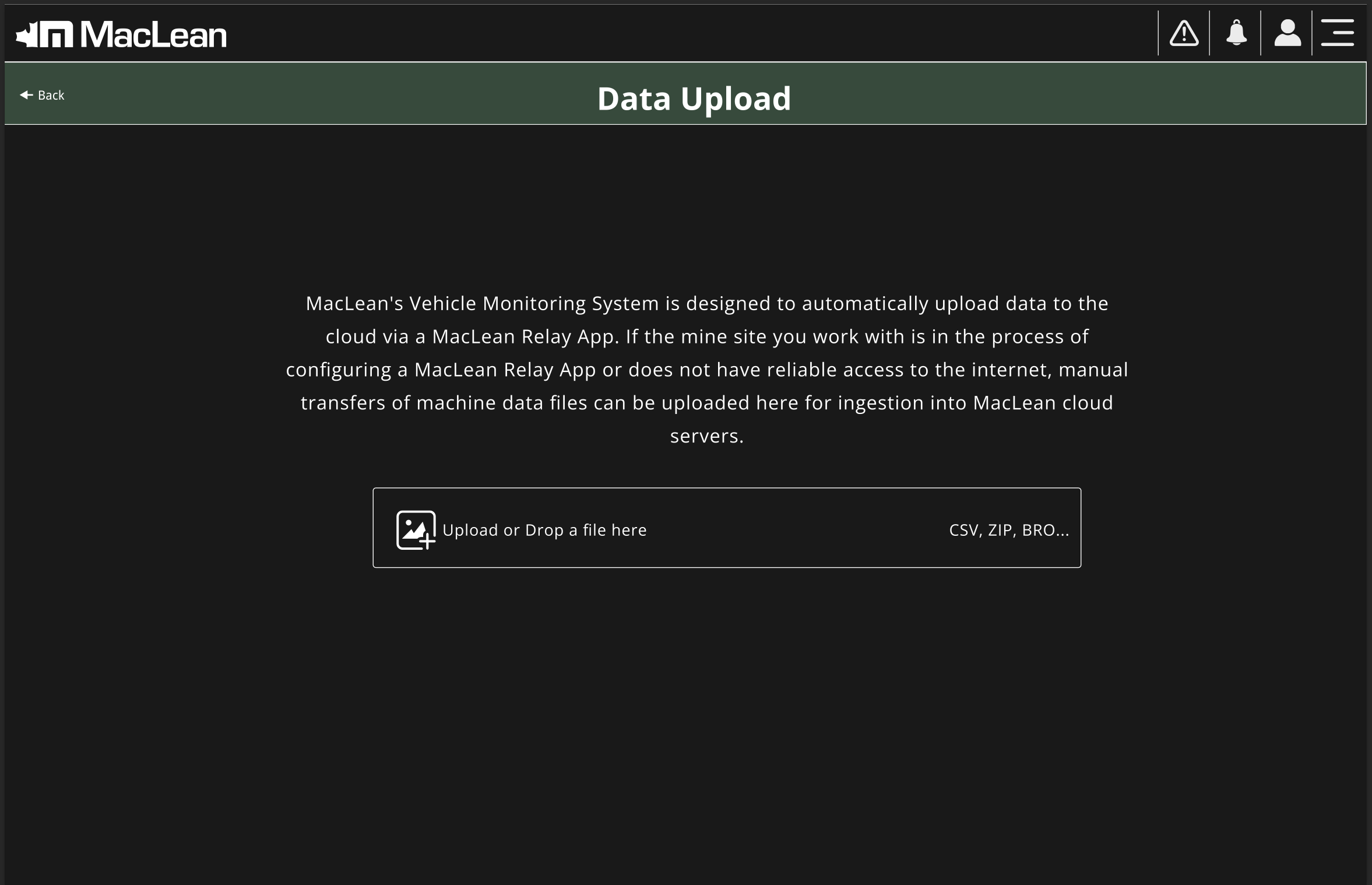
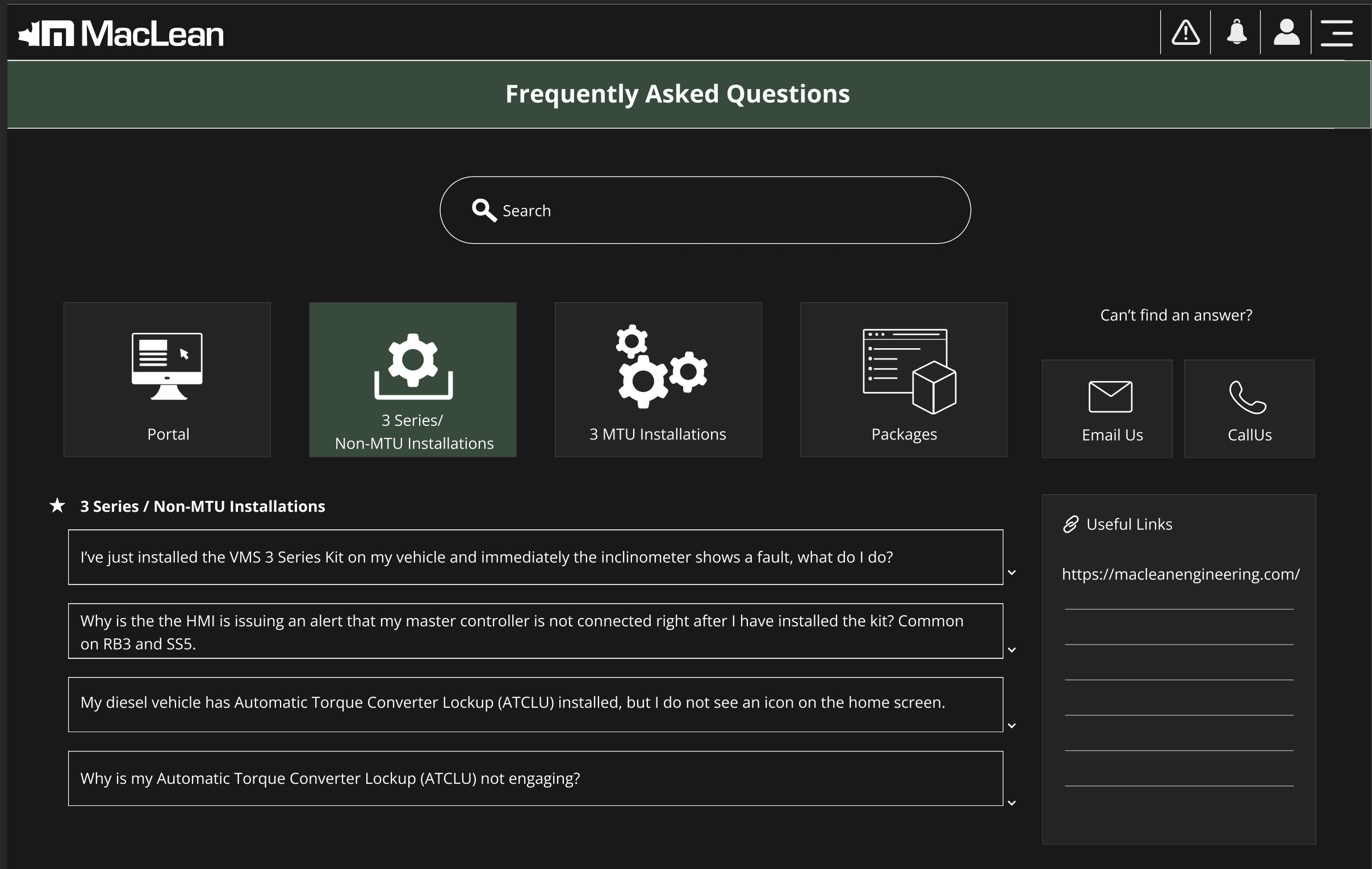
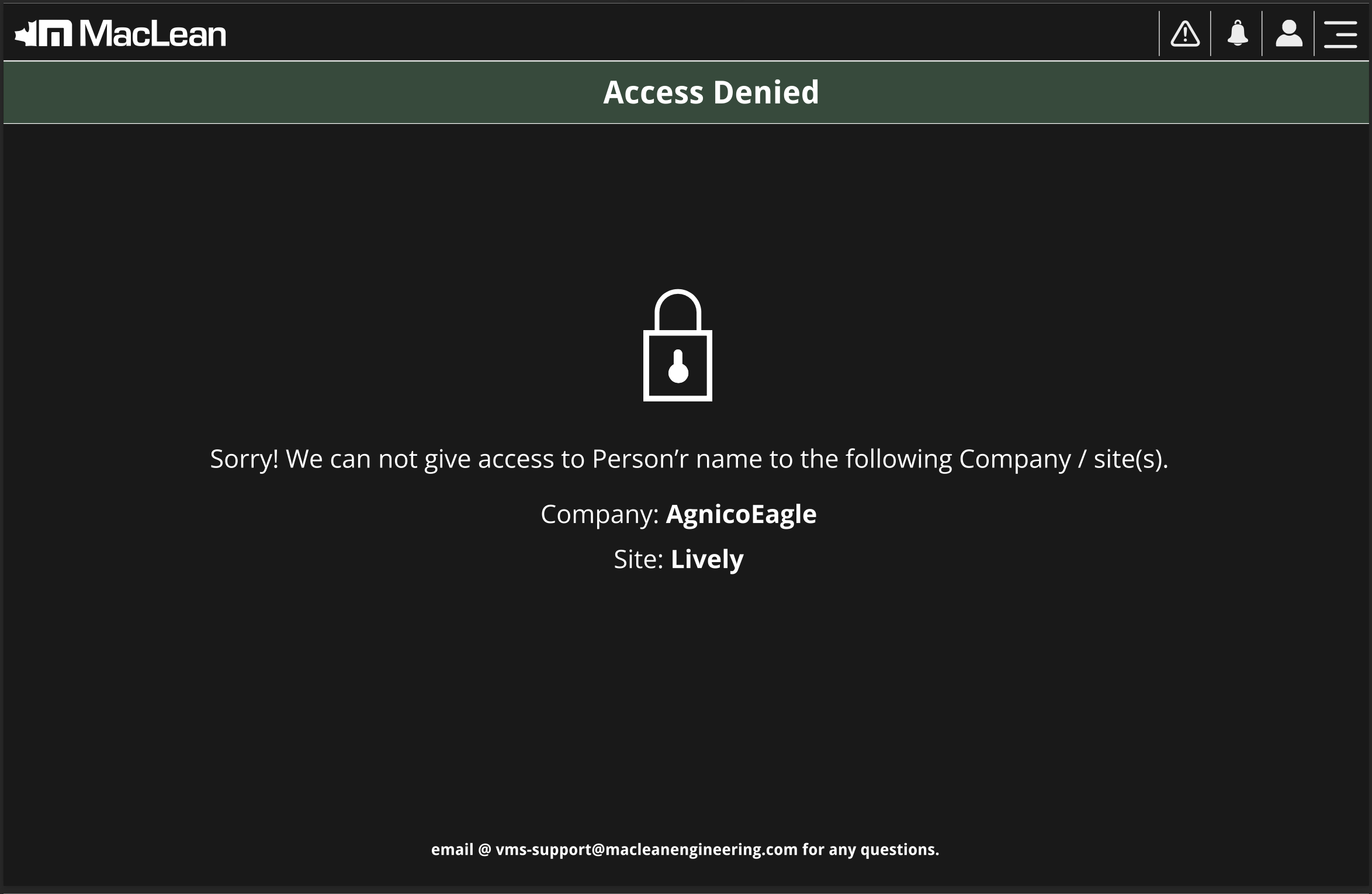
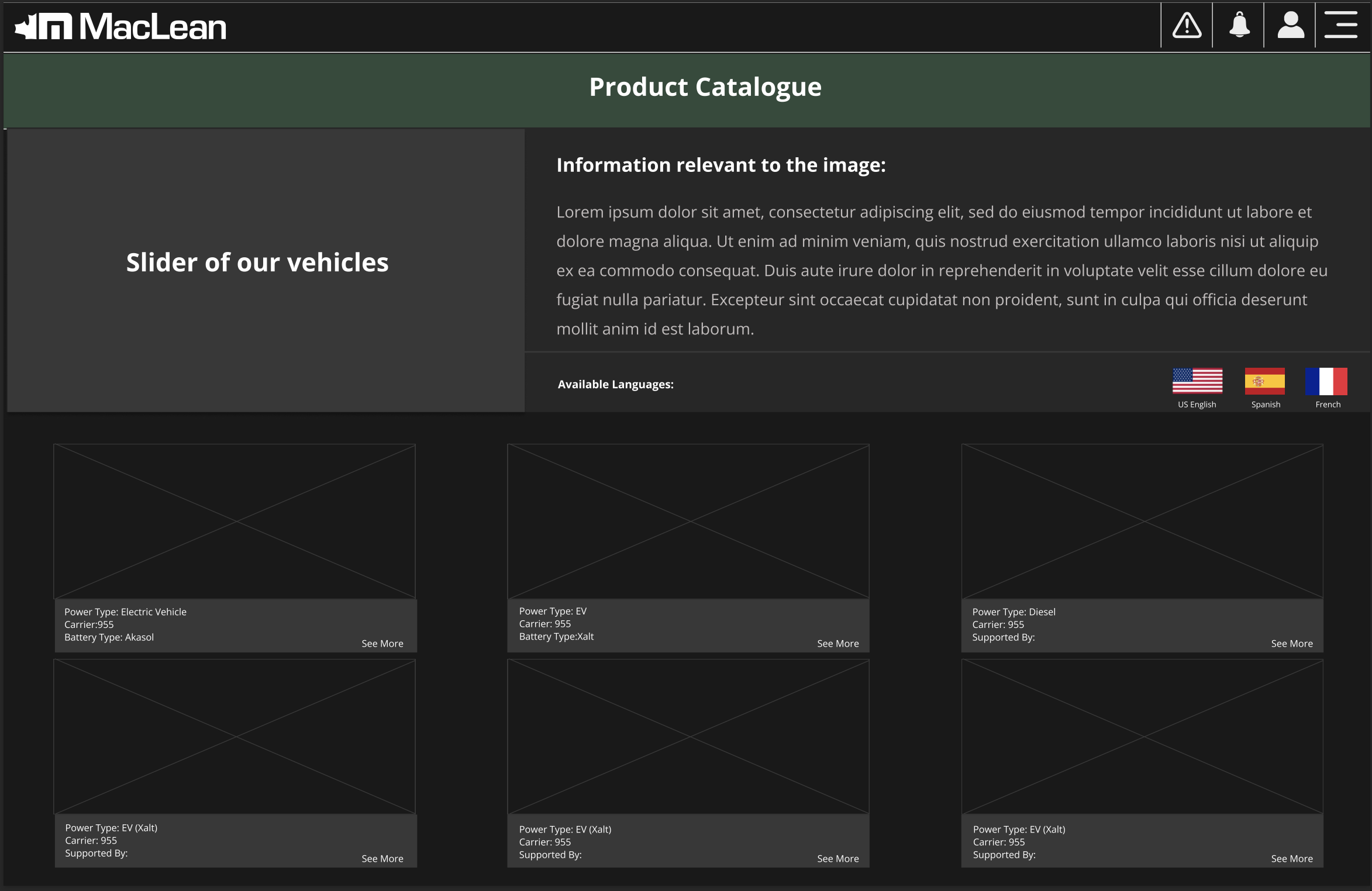
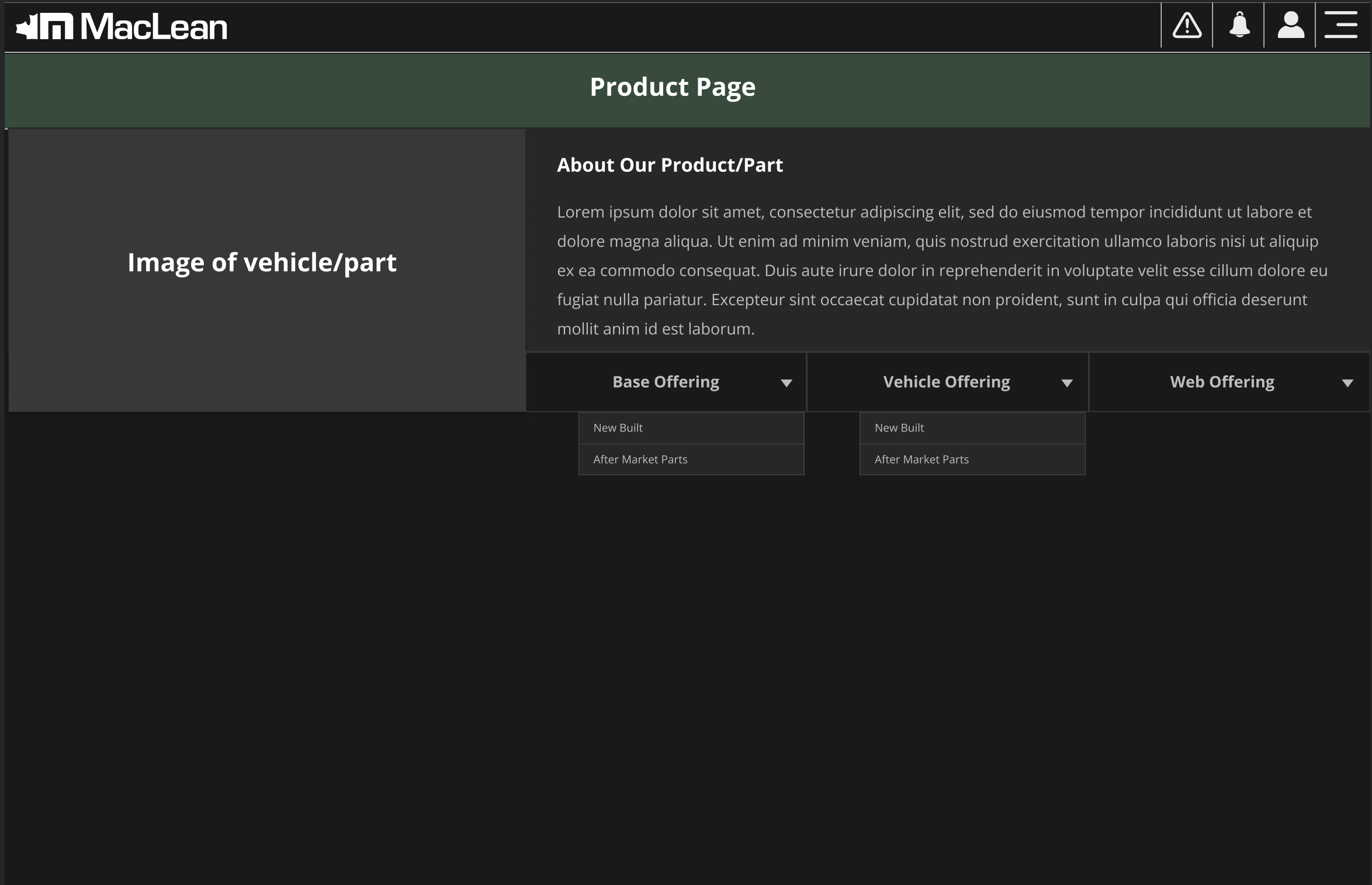
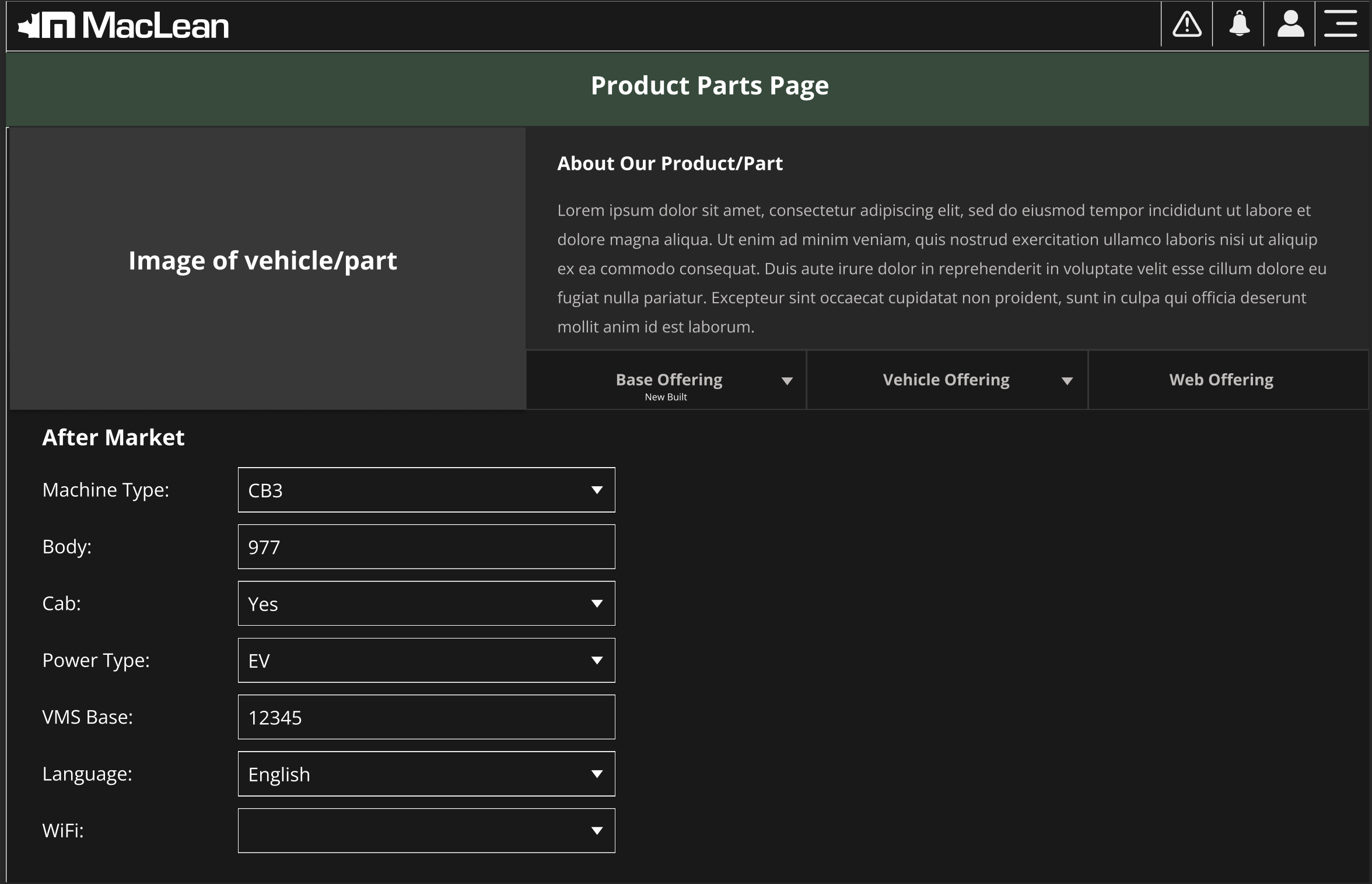
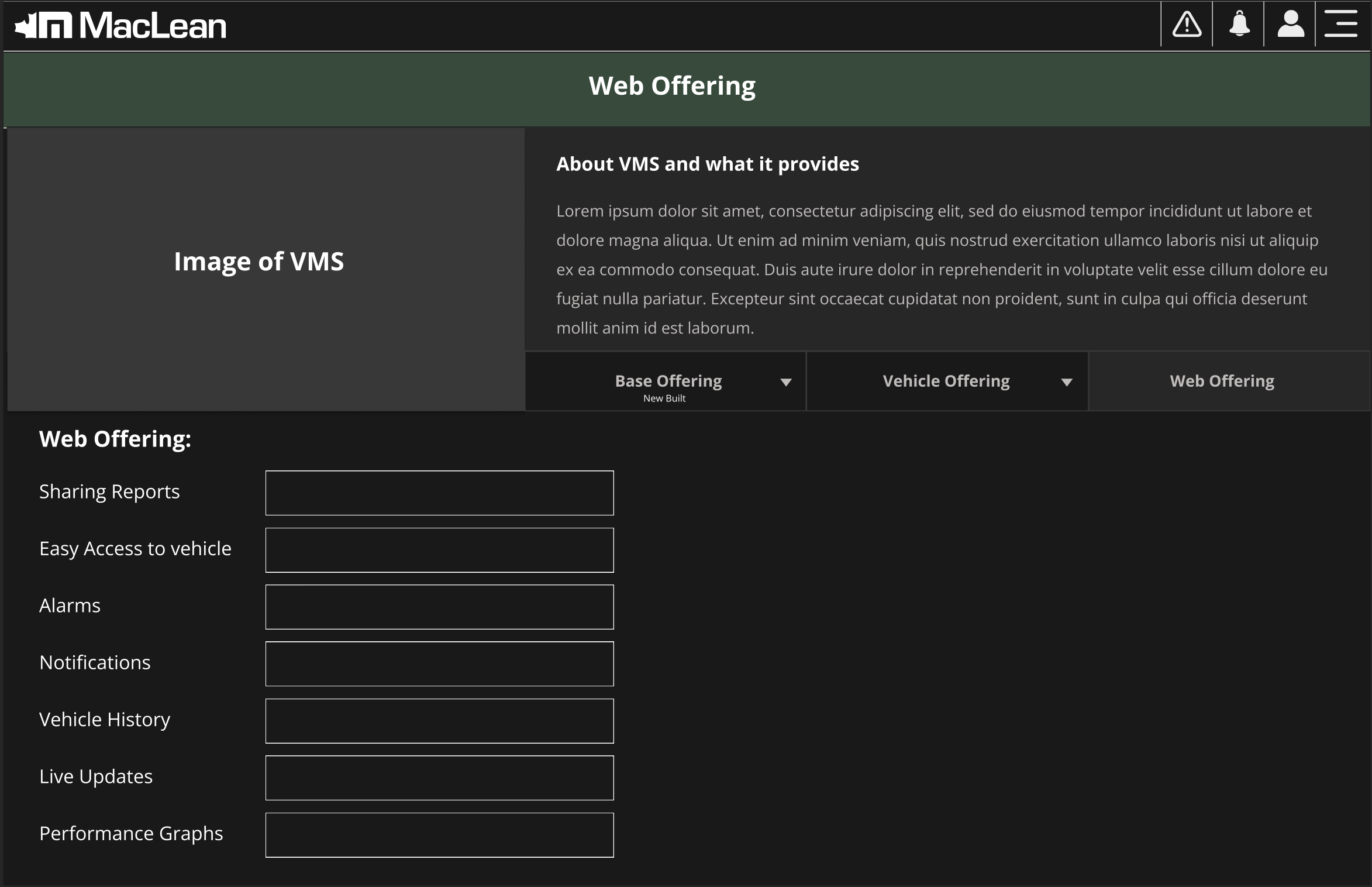
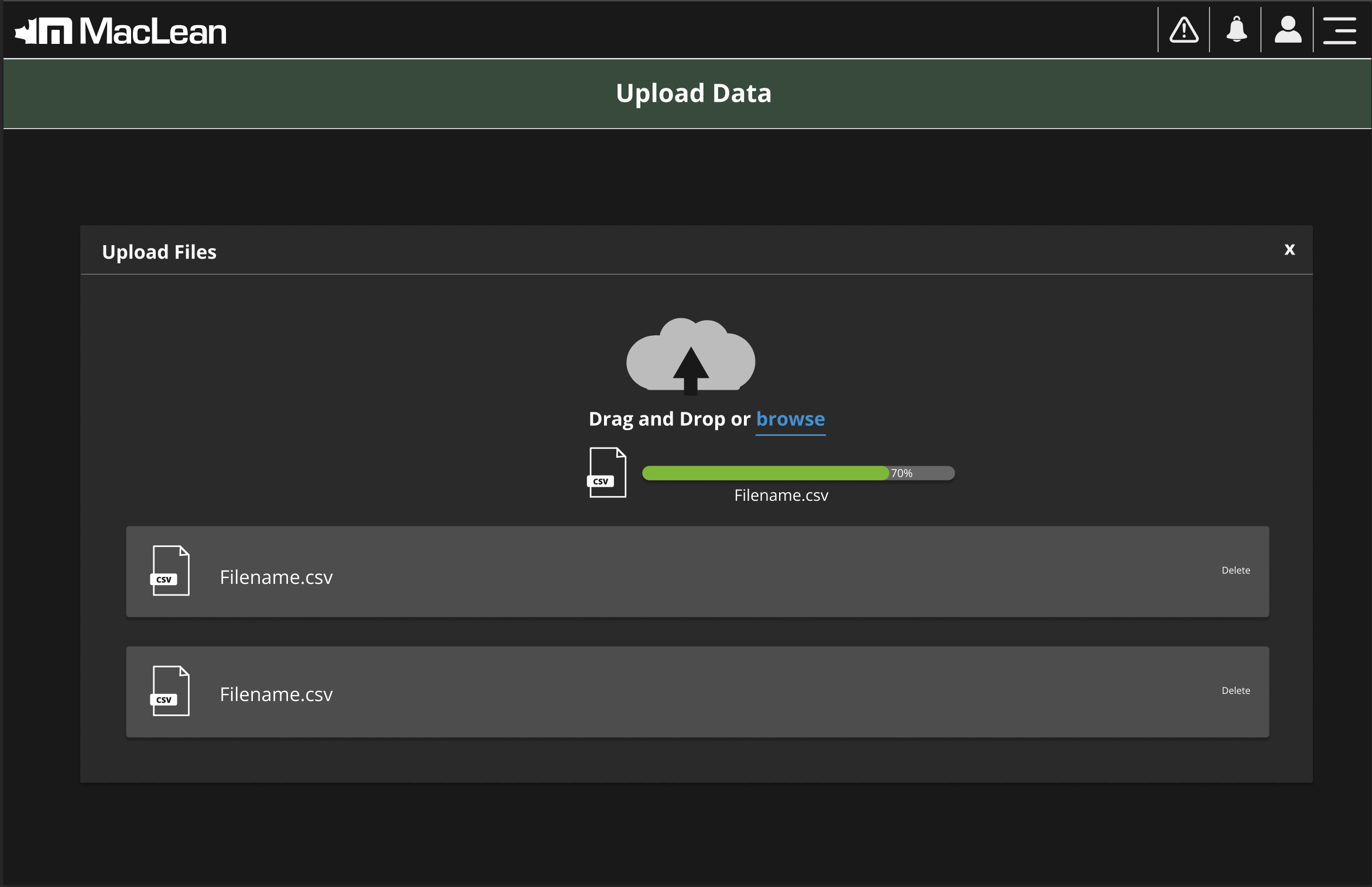
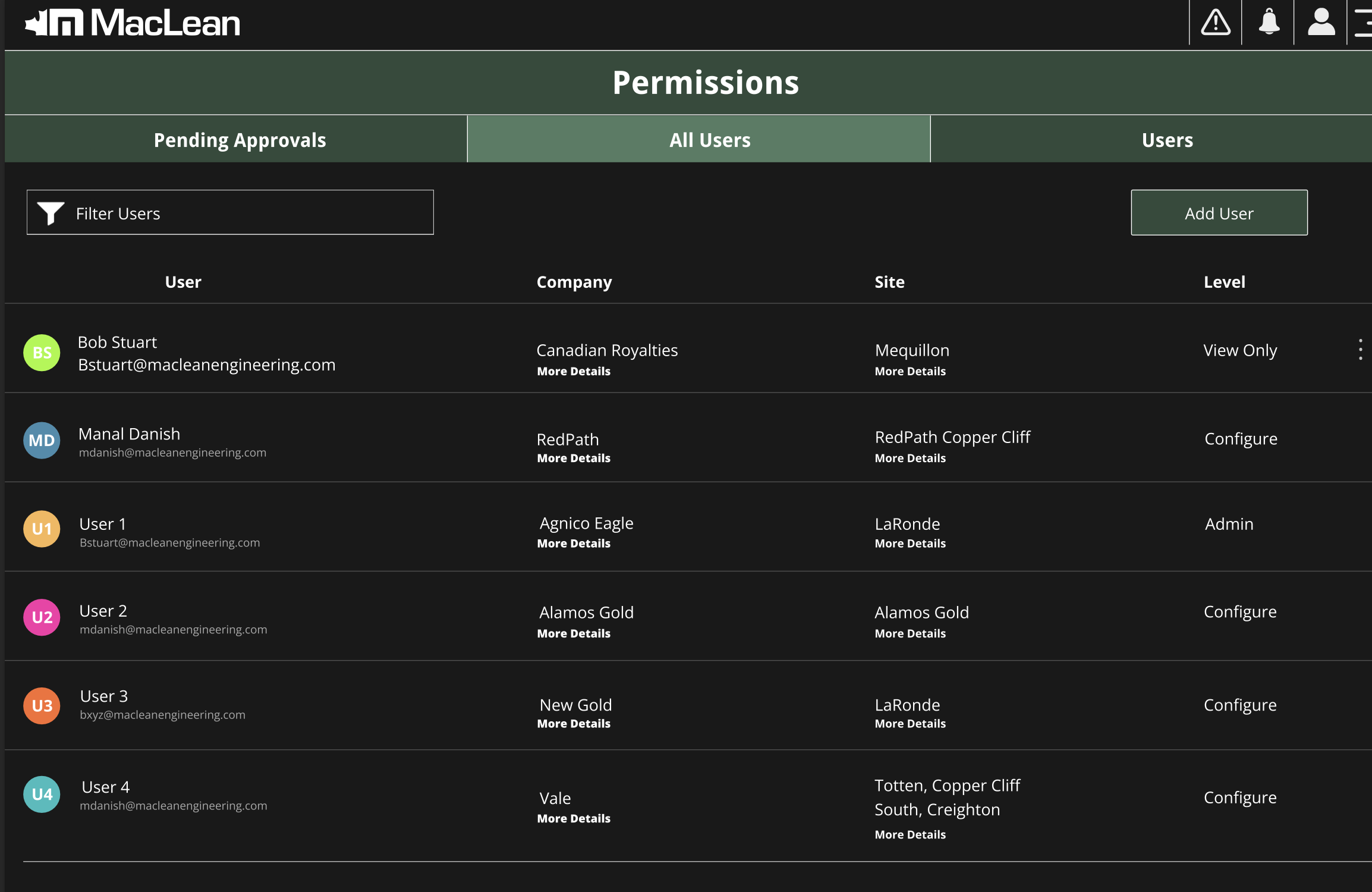
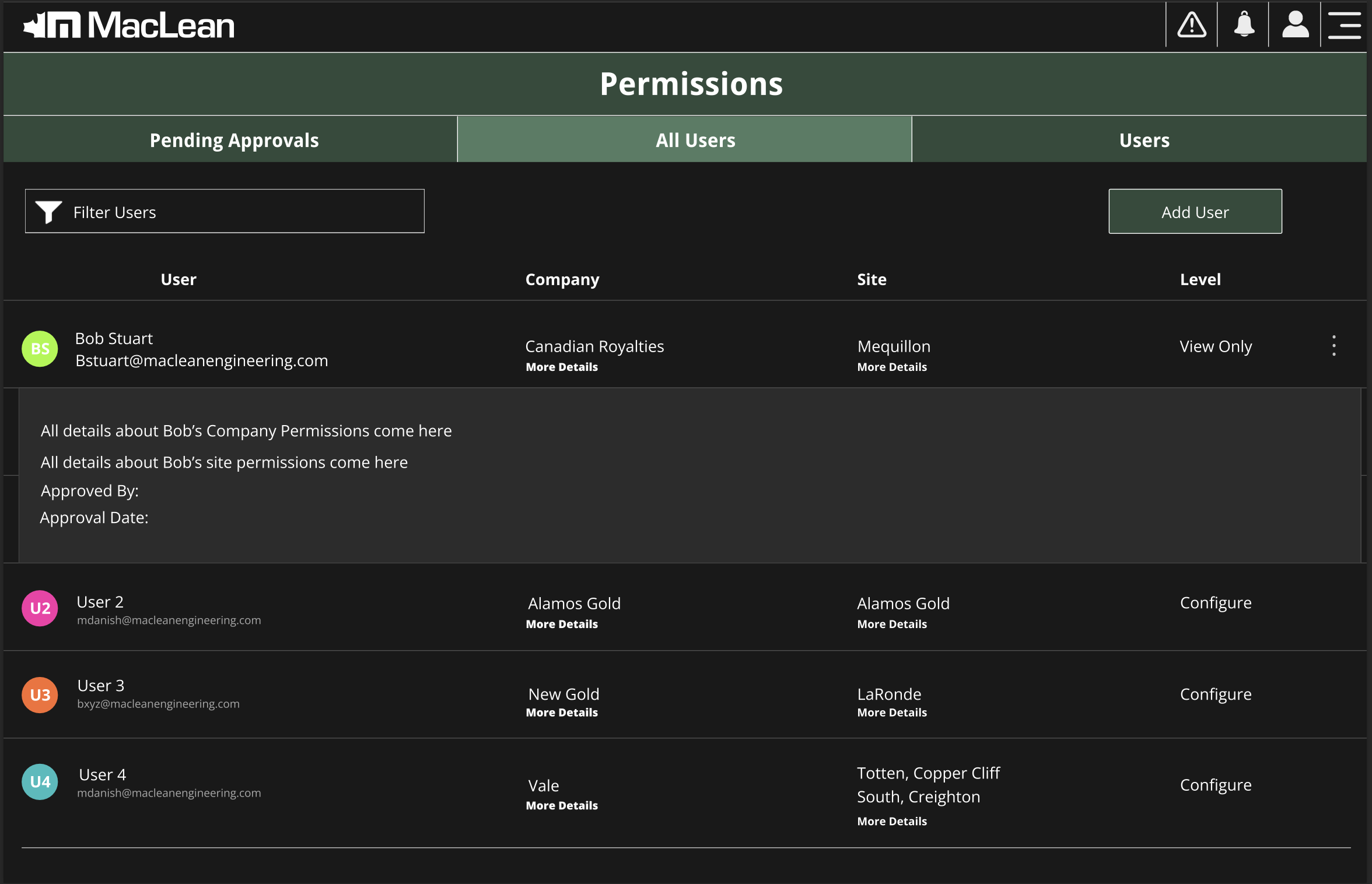
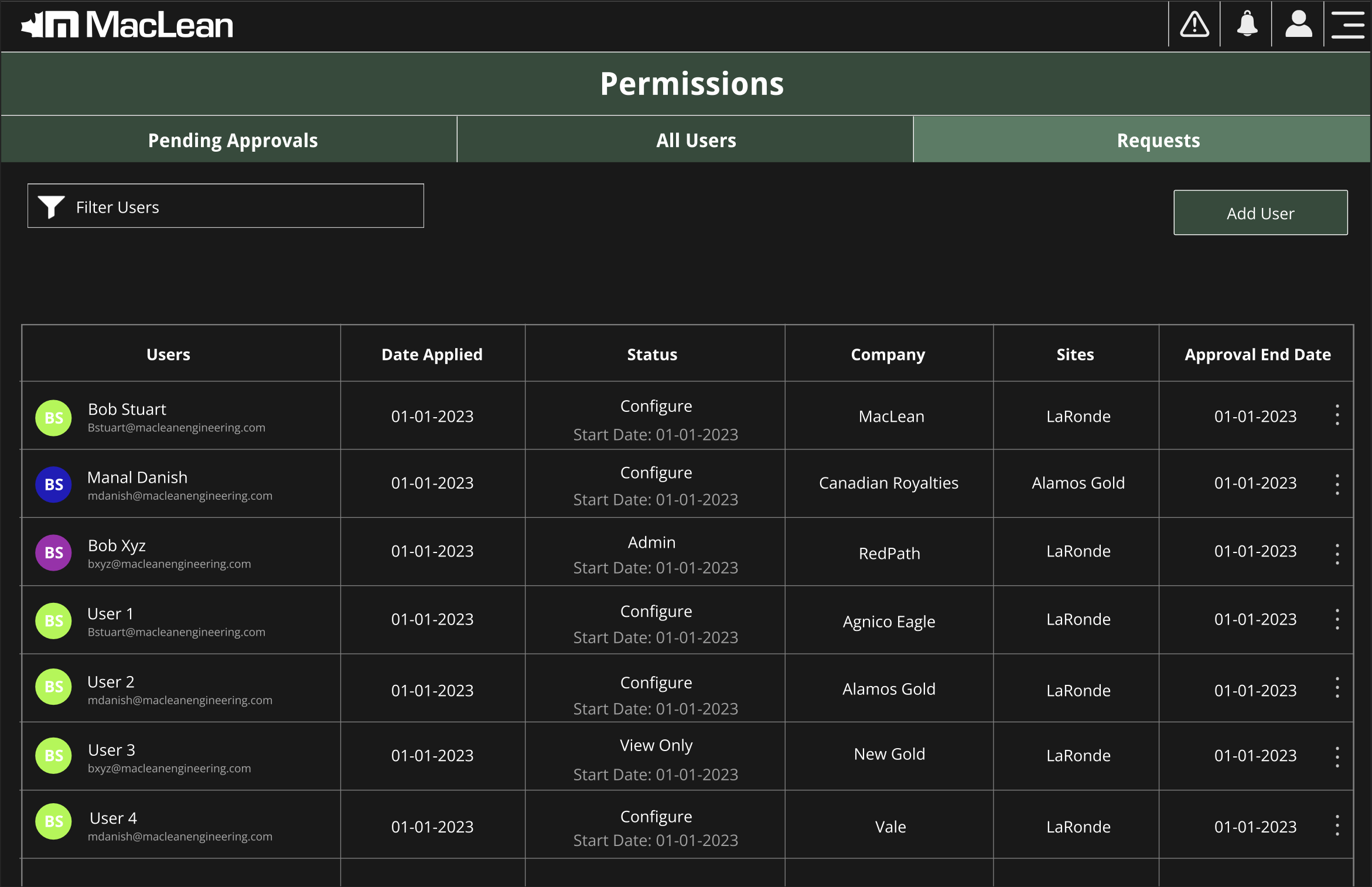
Some screens from the initial wireframes
From Insights to Design Focus
These insights informed the information architecture and interaction model, ensuring users could quickly access critical vehicle data without unnecessary cognitive load.
Design Decisions
Design Decision: Centralized Vehicle Overview
• Insight
Users relied on fragmented communication to understand vehicle status.
• Decision
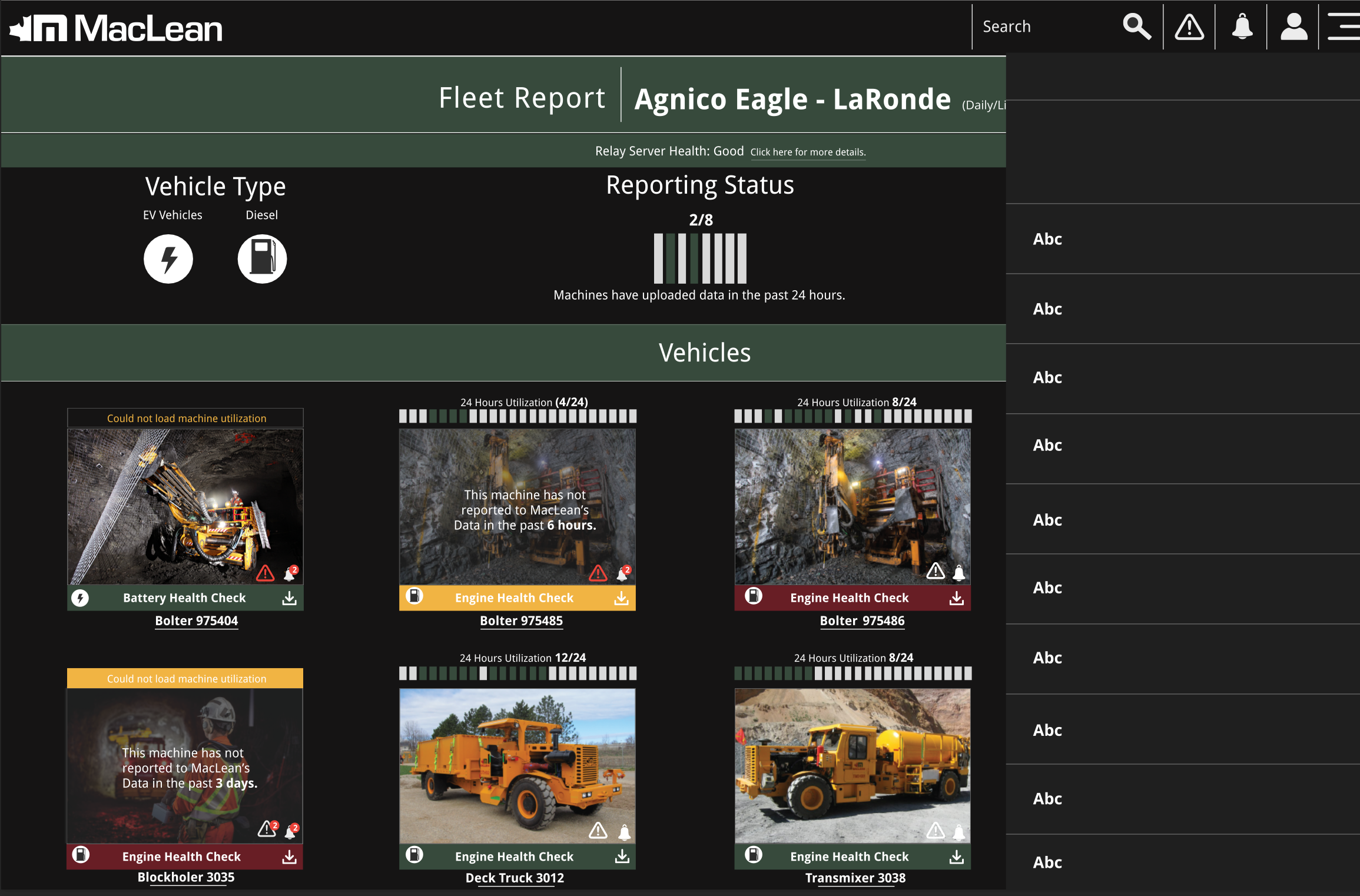
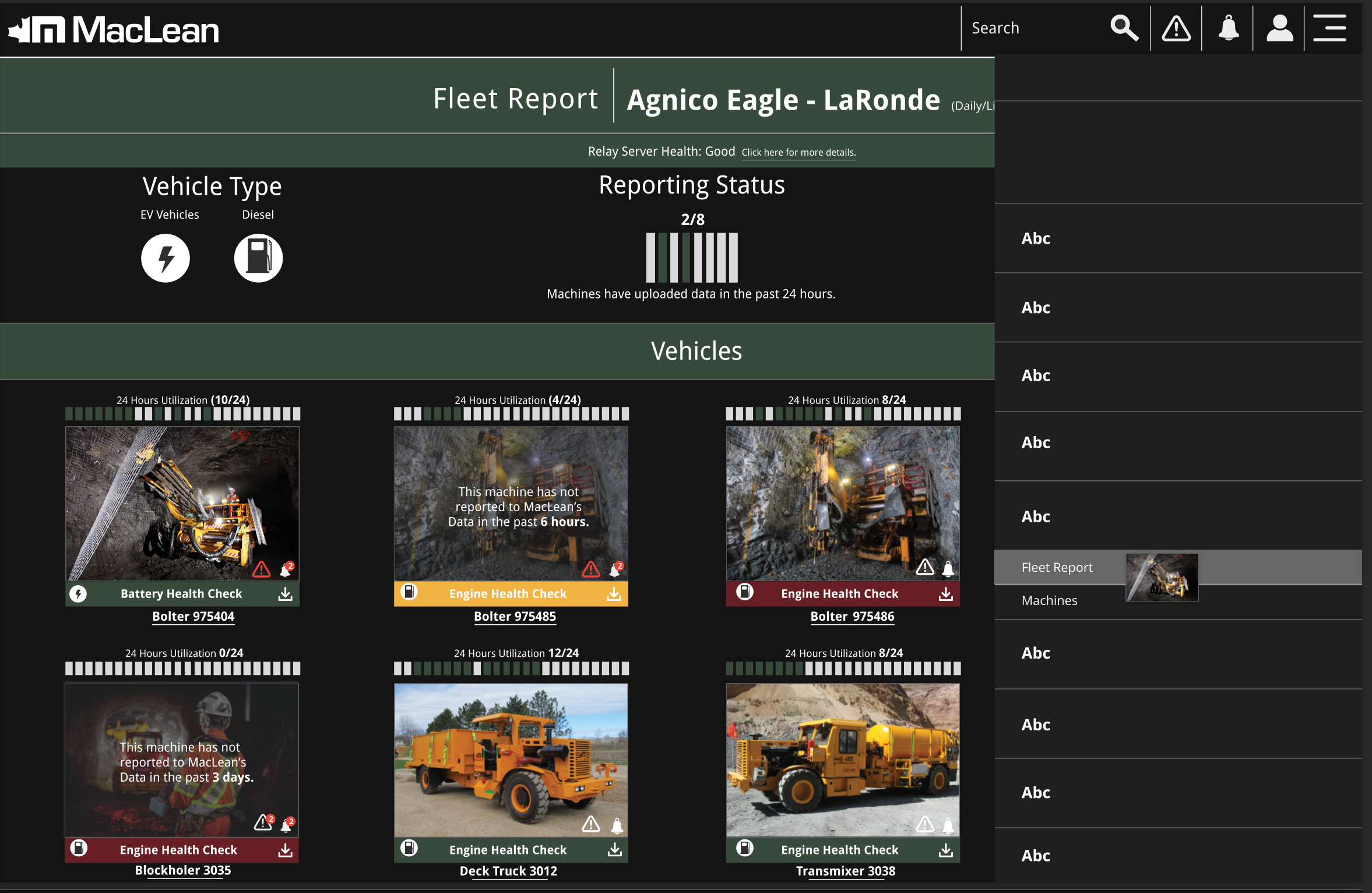
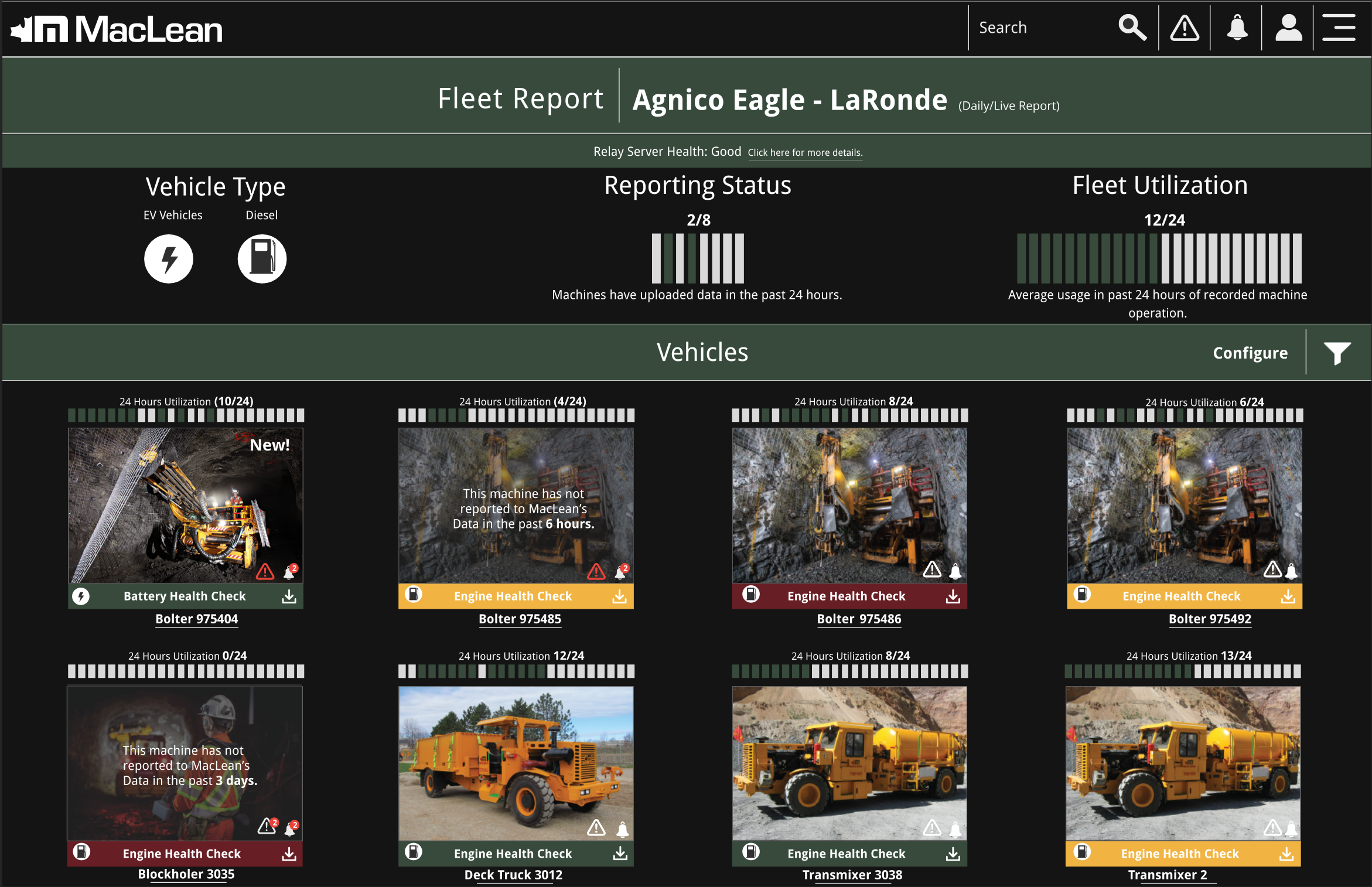
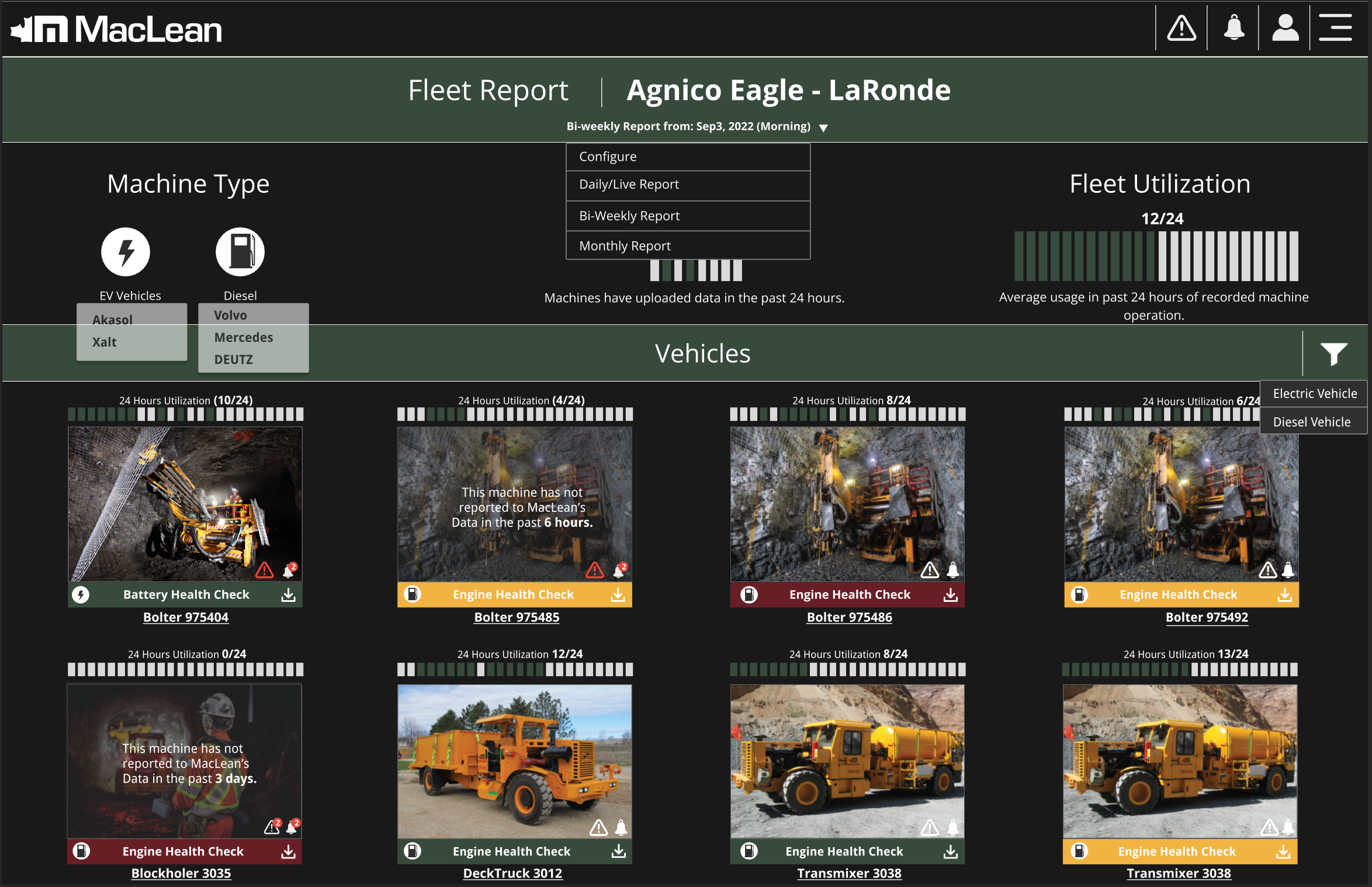
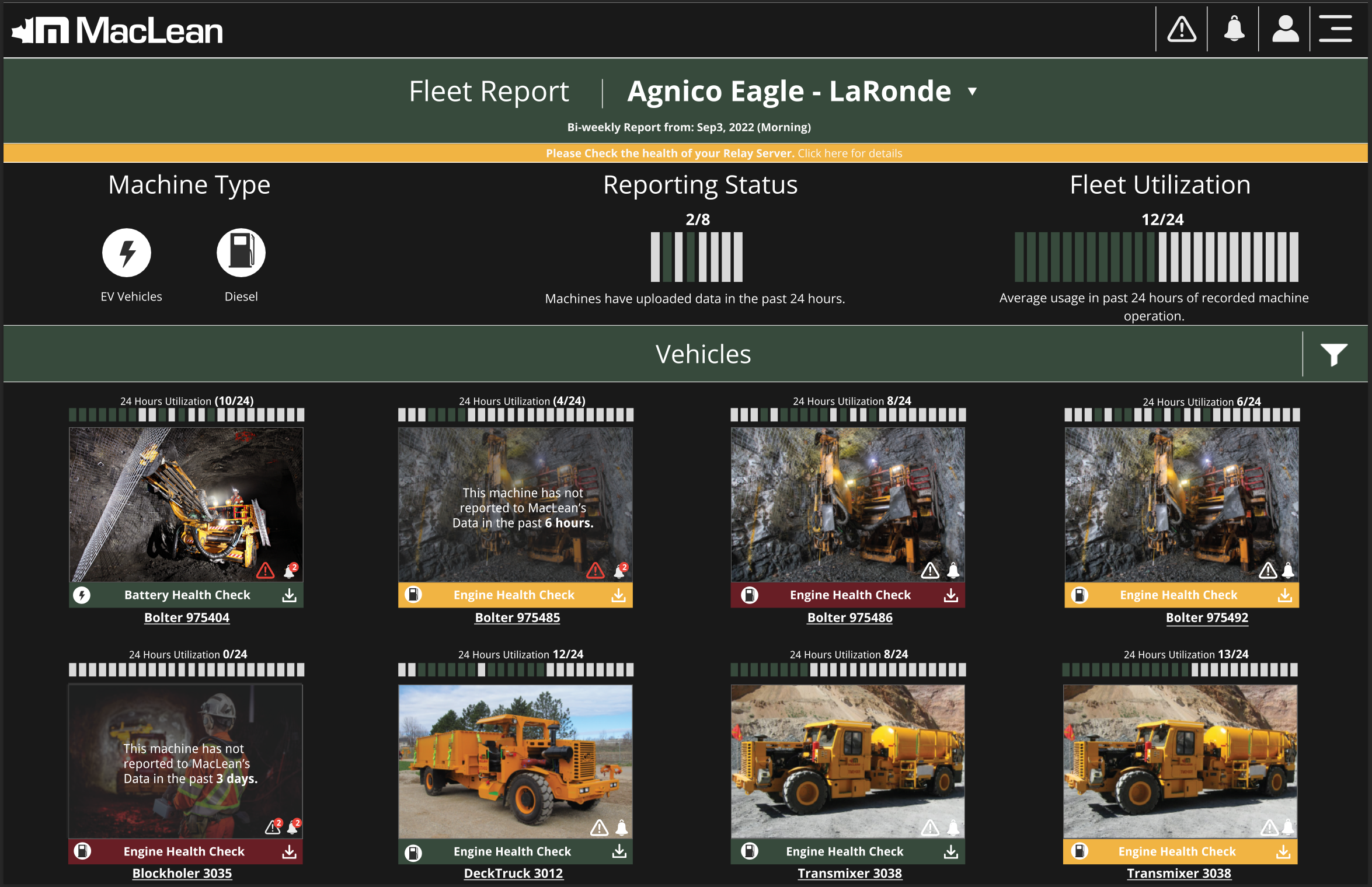
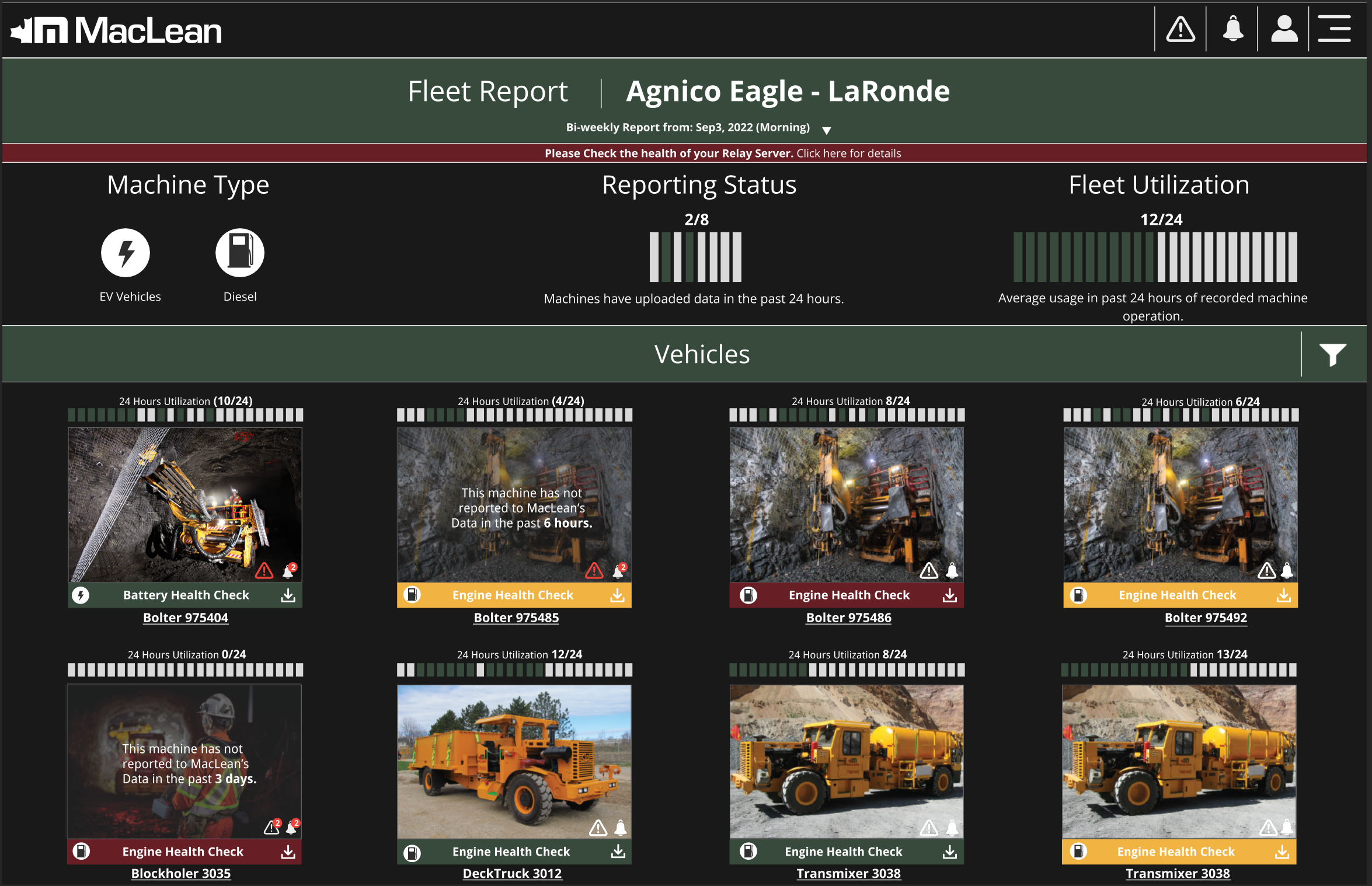
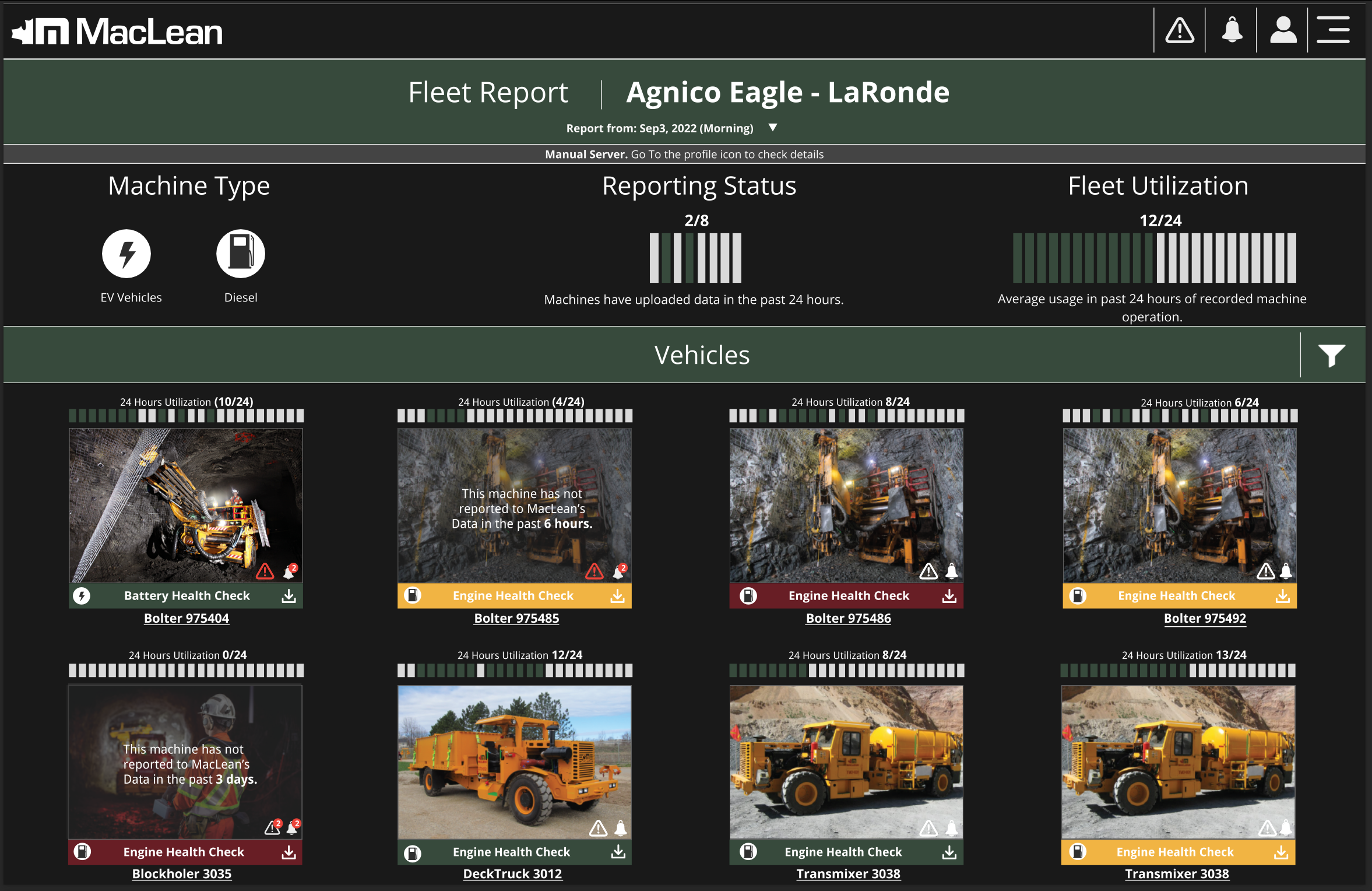
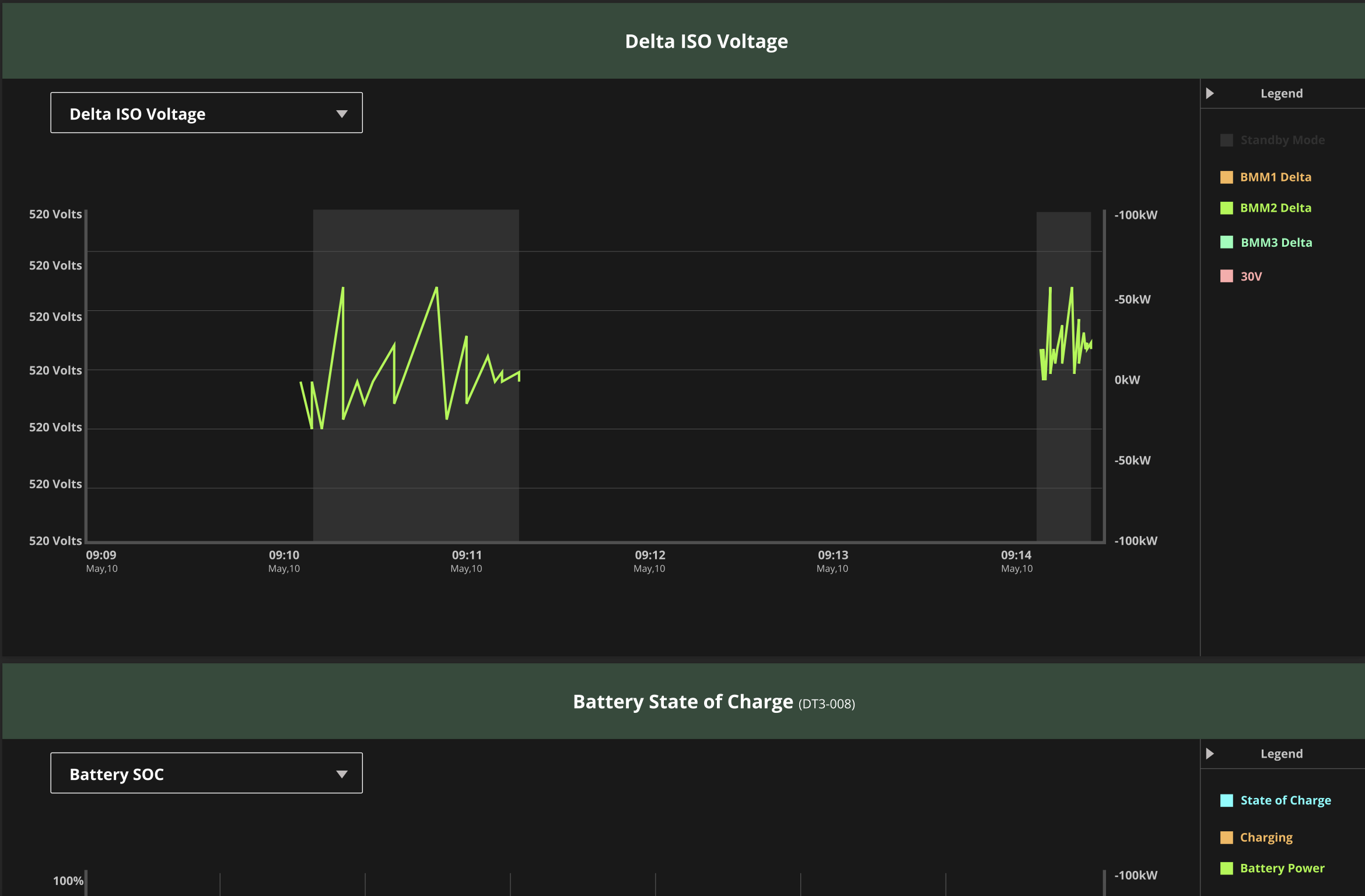
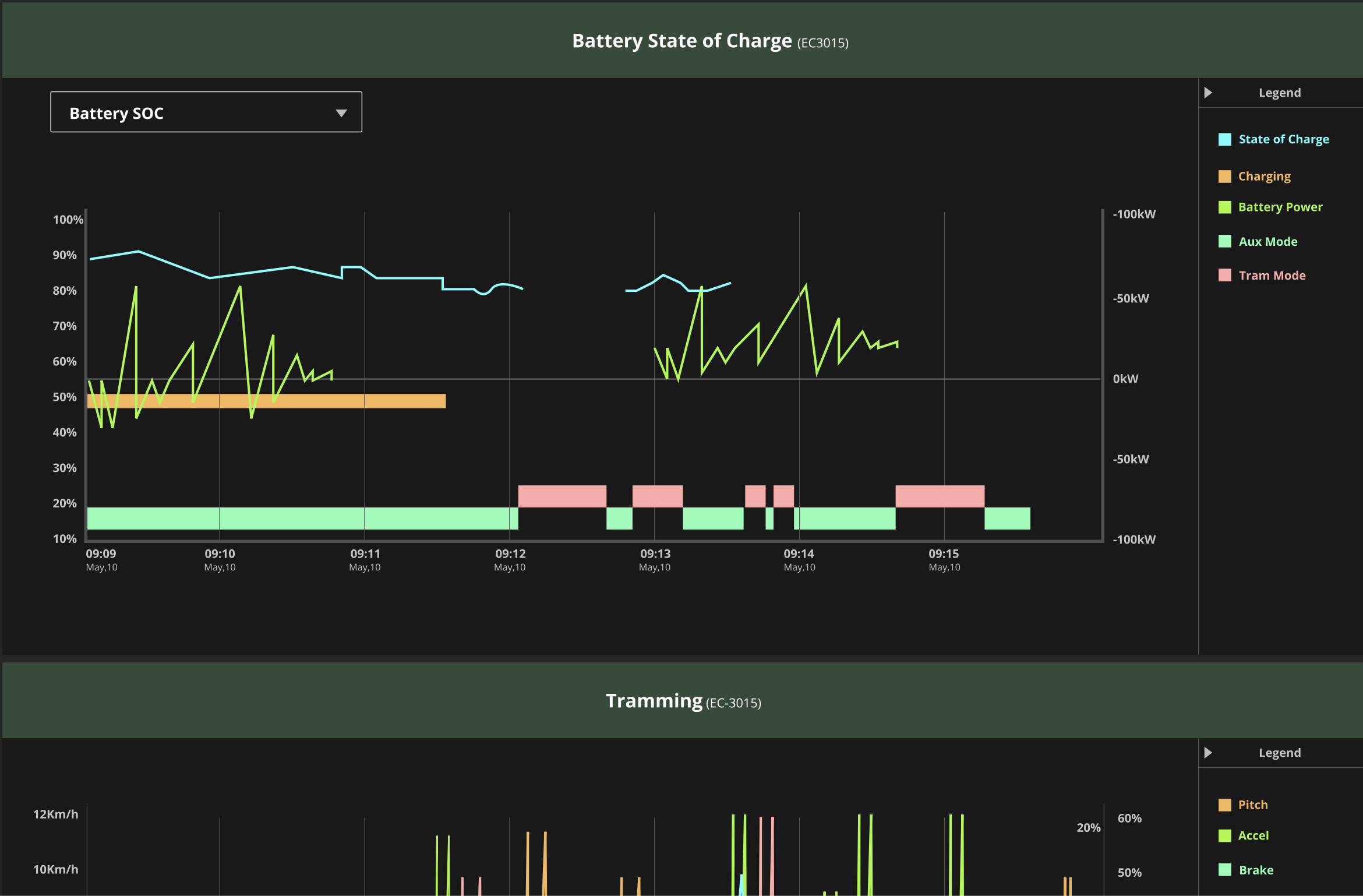
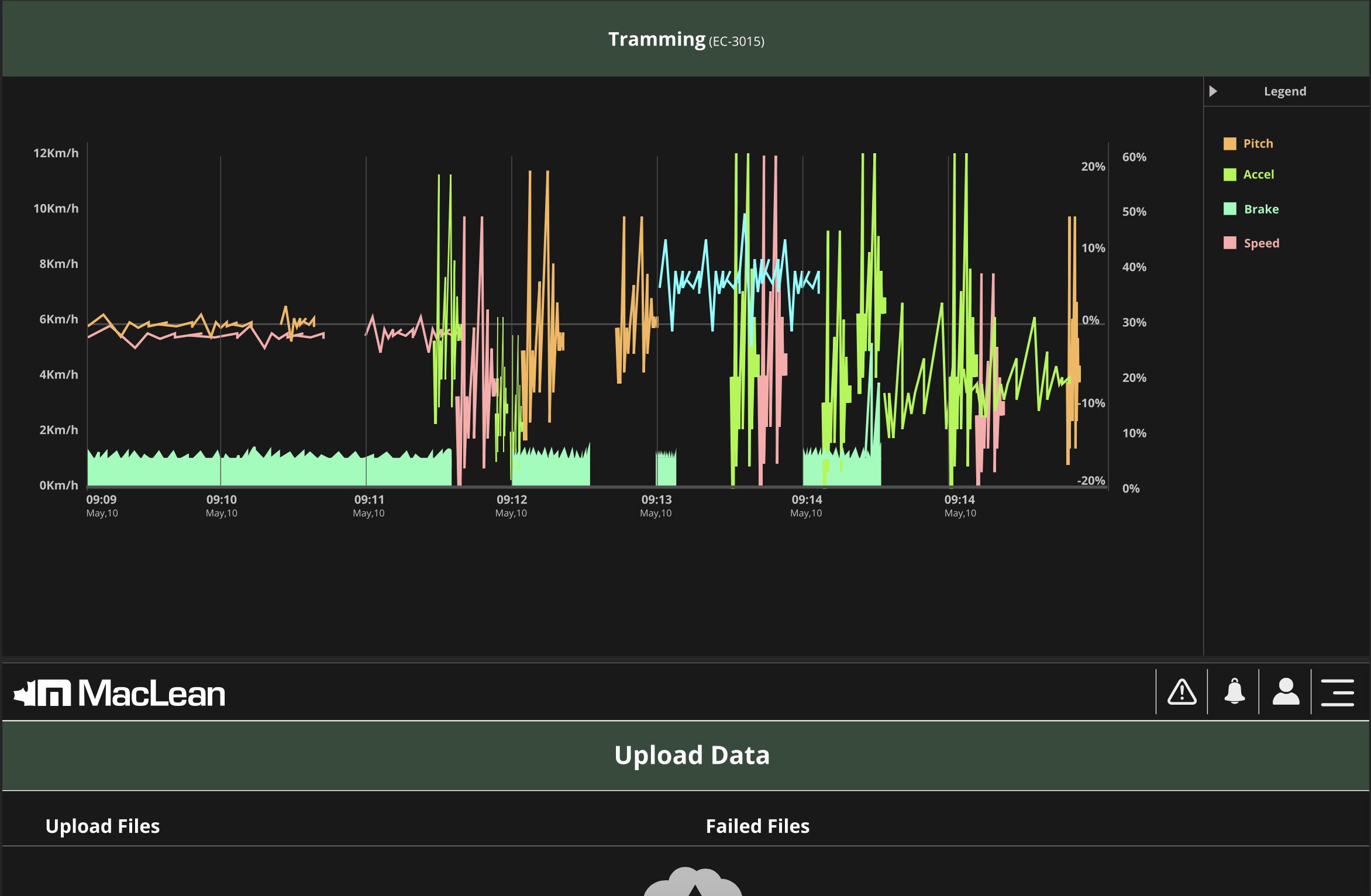
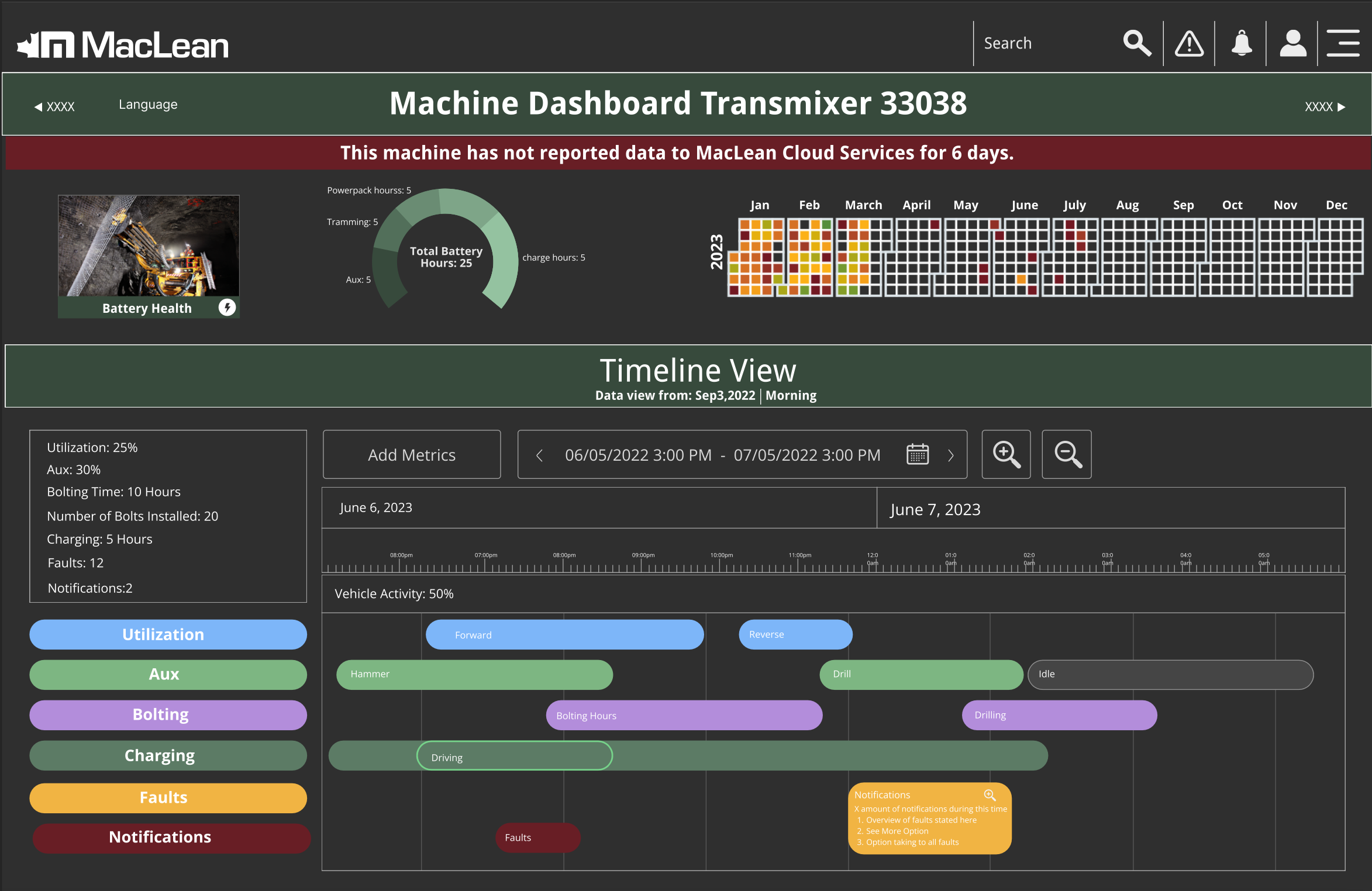
I designed a centralized dashboard that surfaces vehicle health, maintenance status, and fault alerts in one place.
• Why it mattered
This reduced reliance on email updates and allowed faster, safety-critical decision-making.
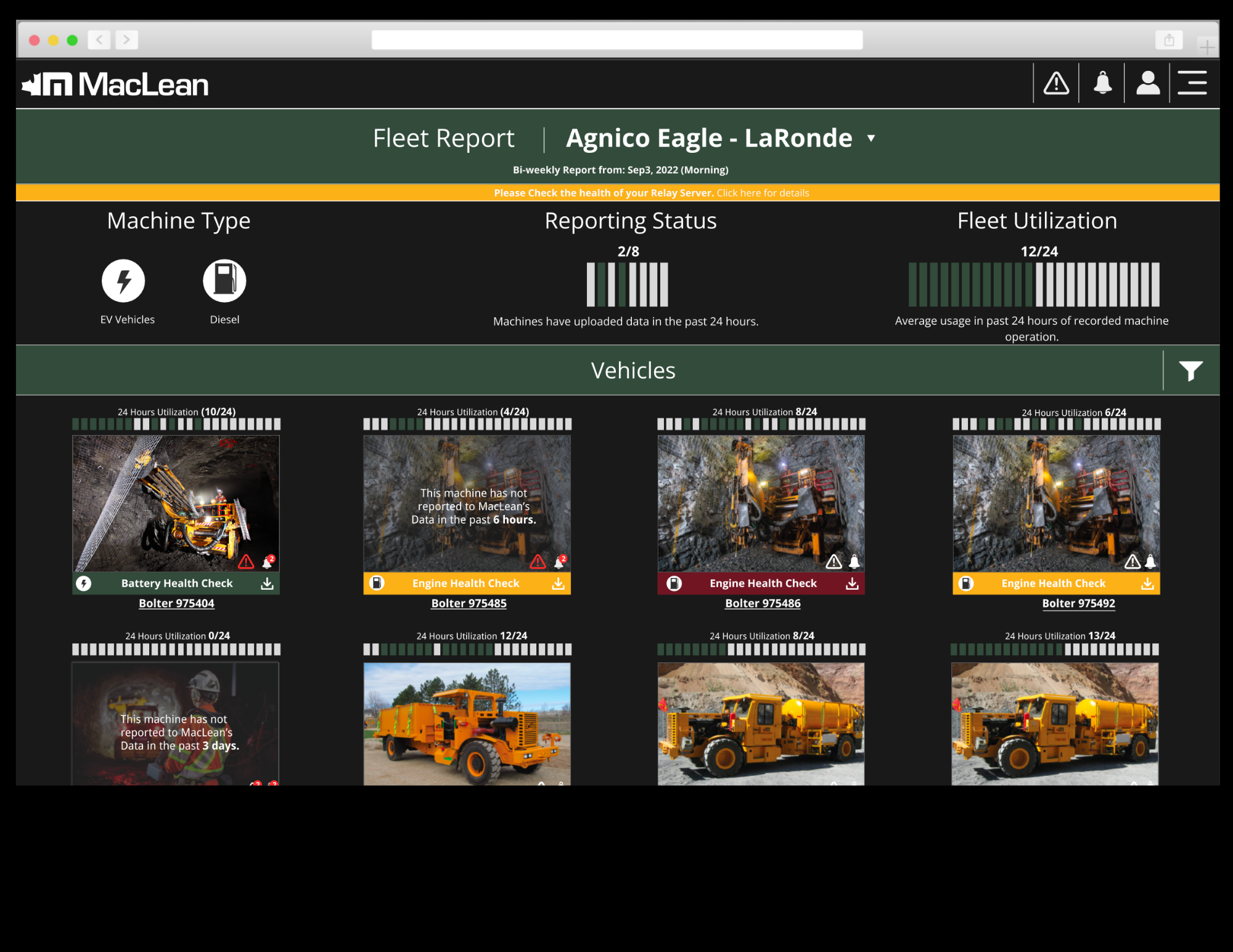
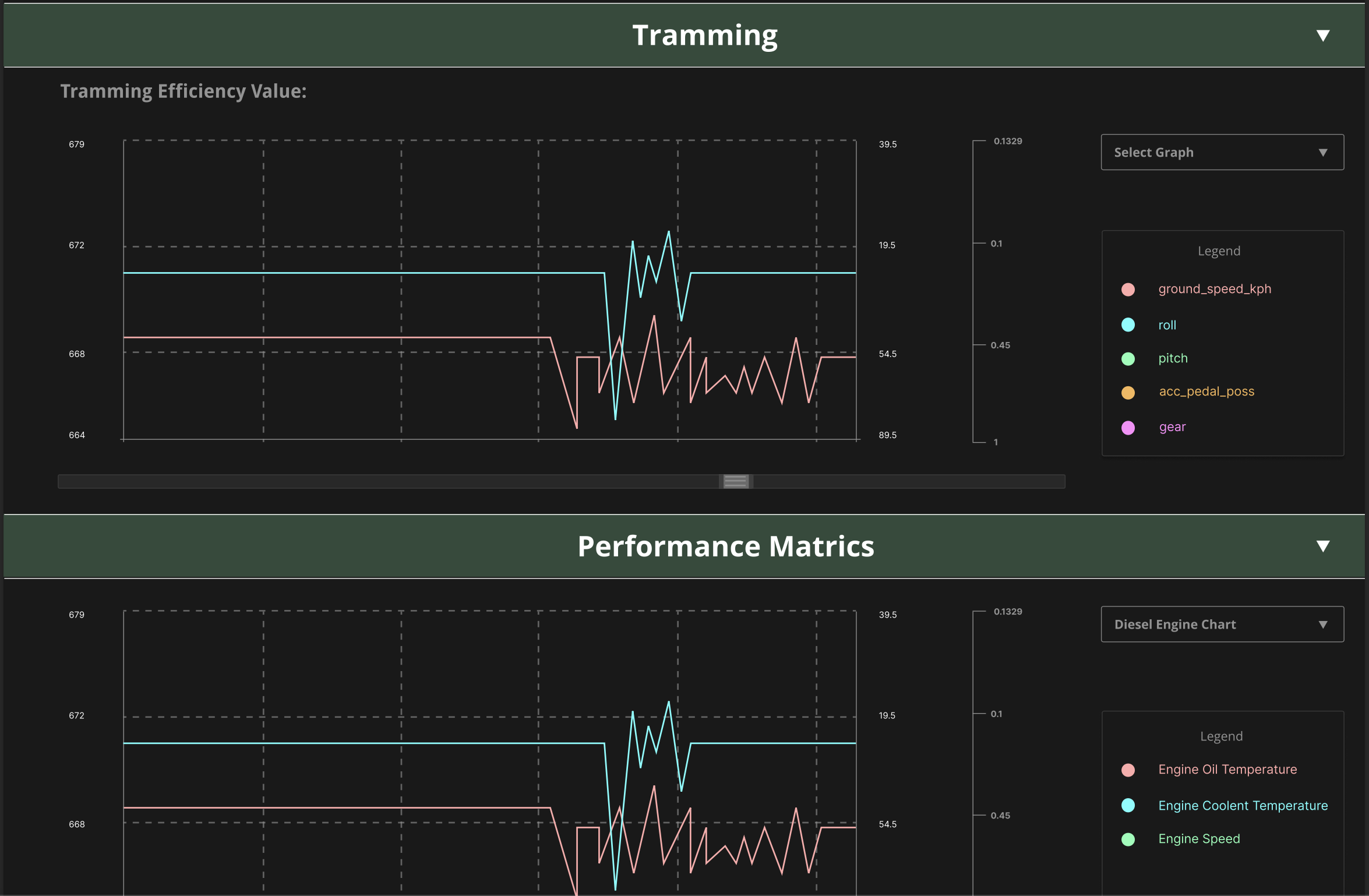
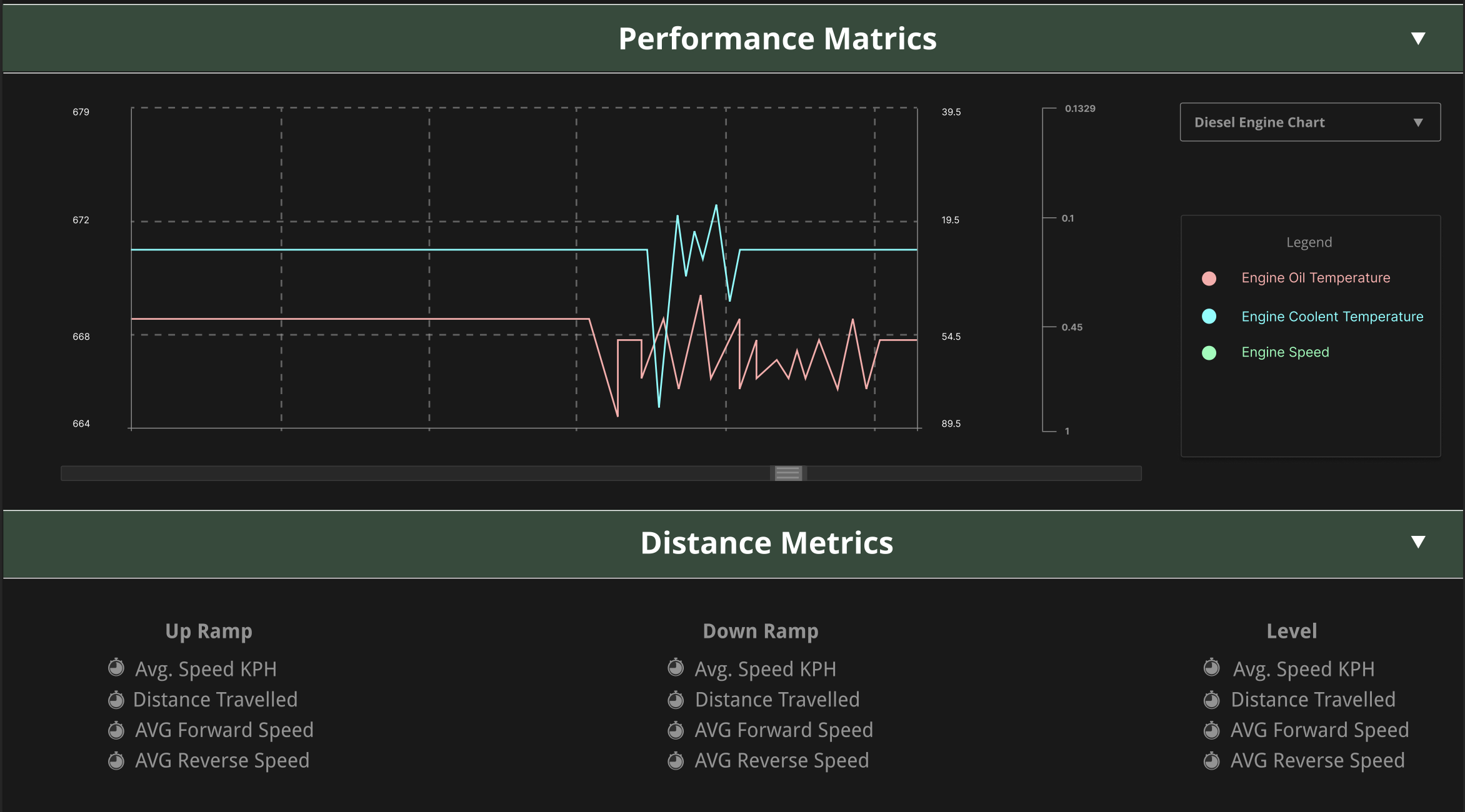
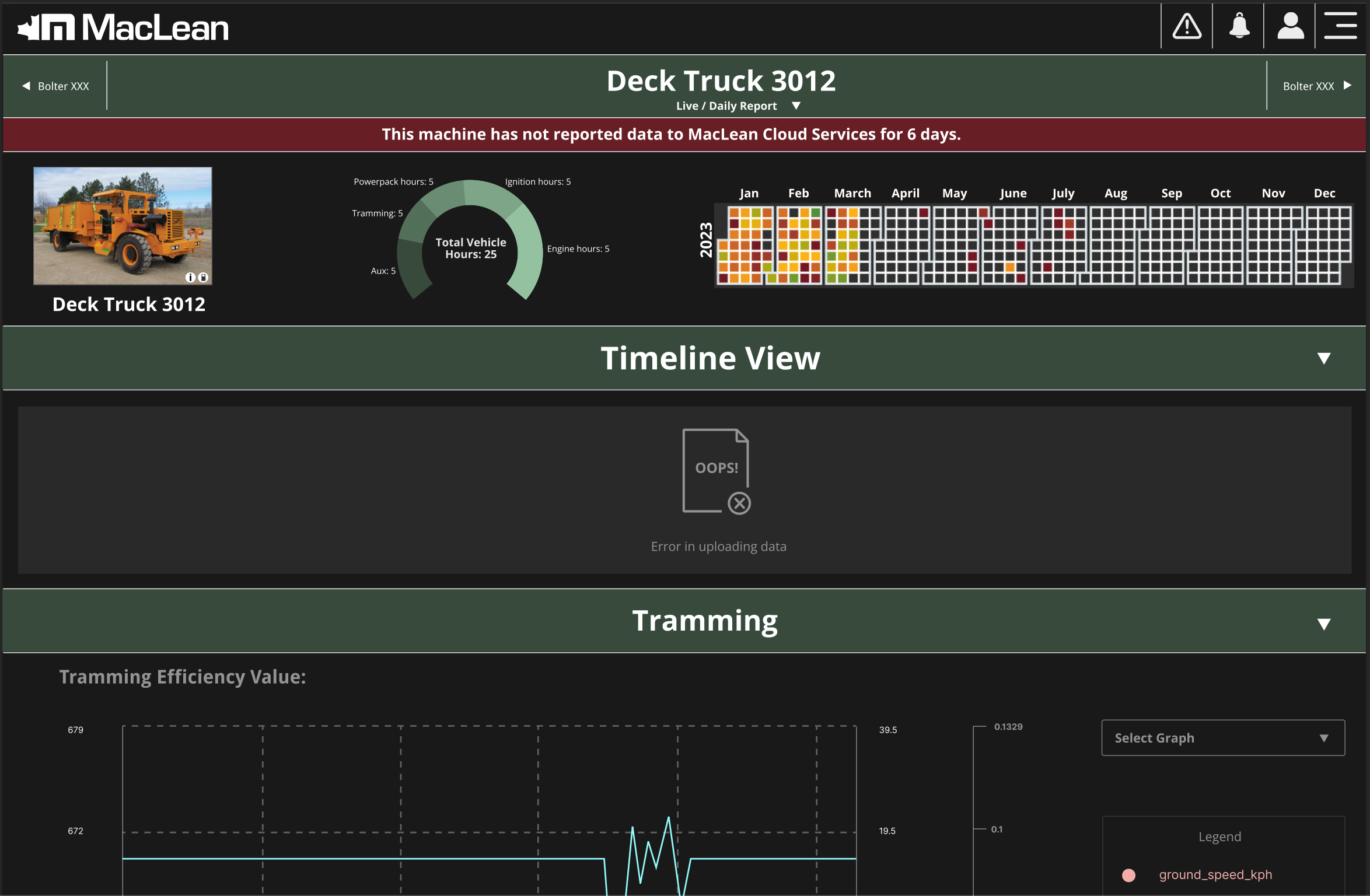
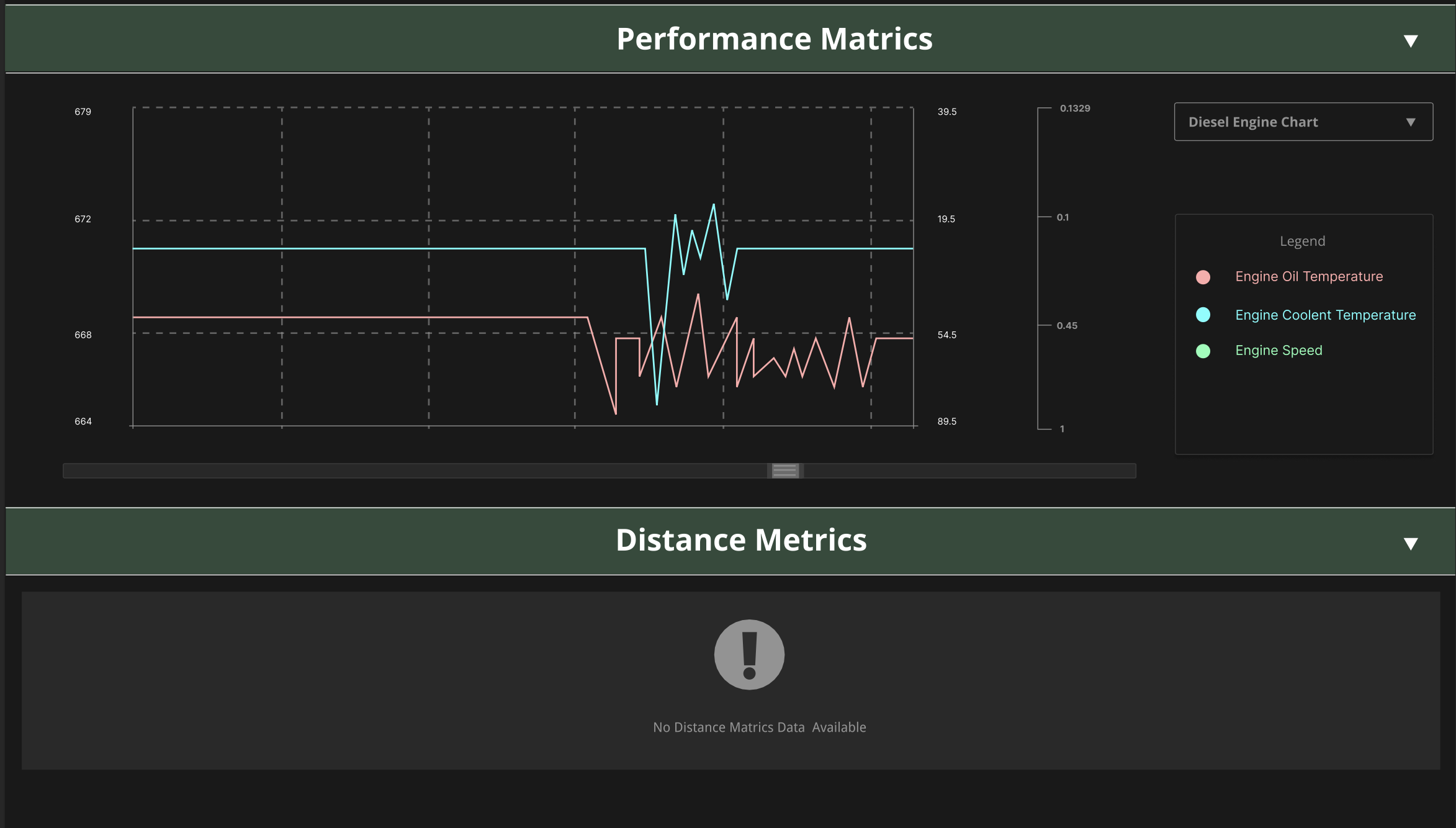
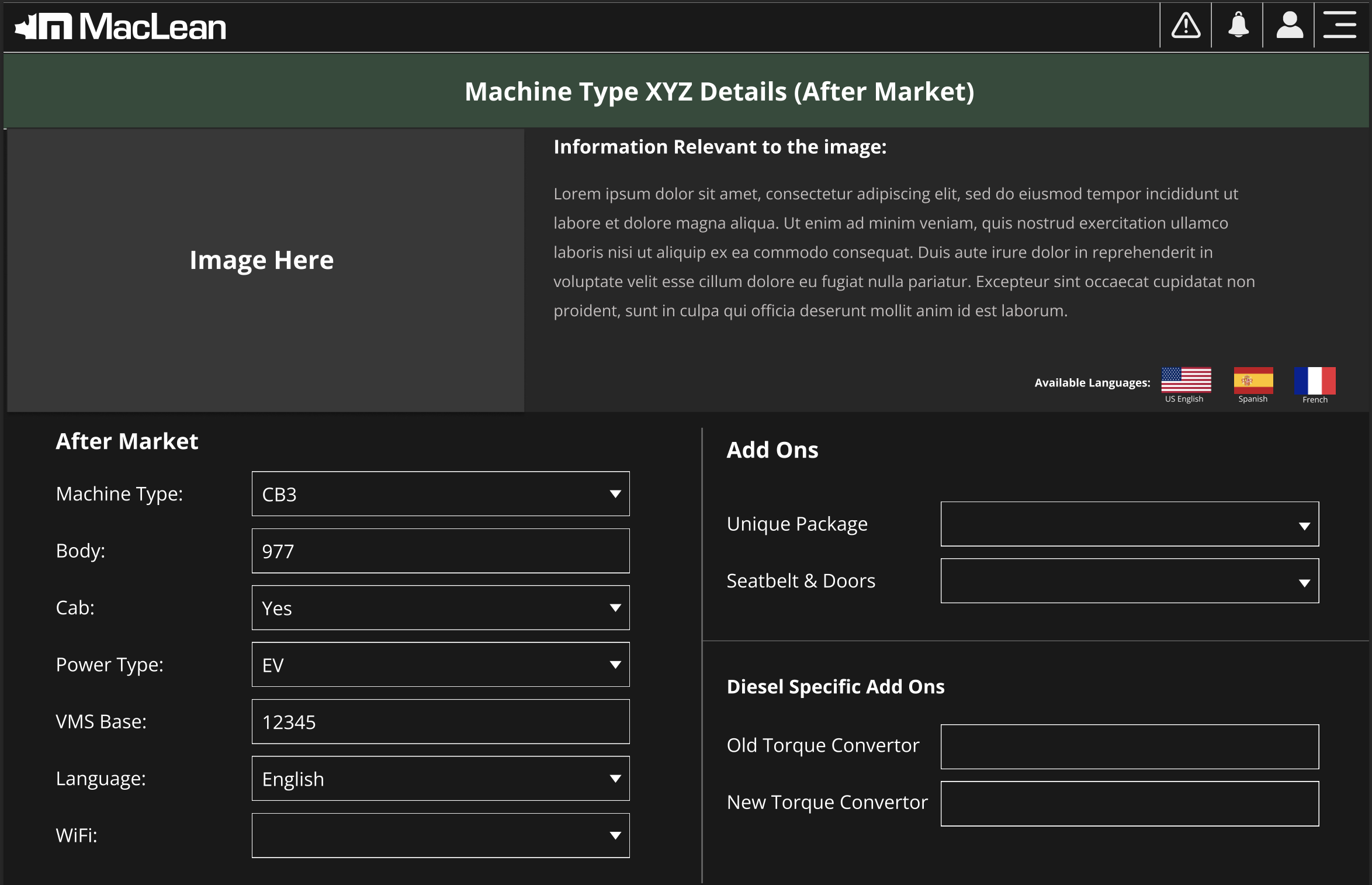
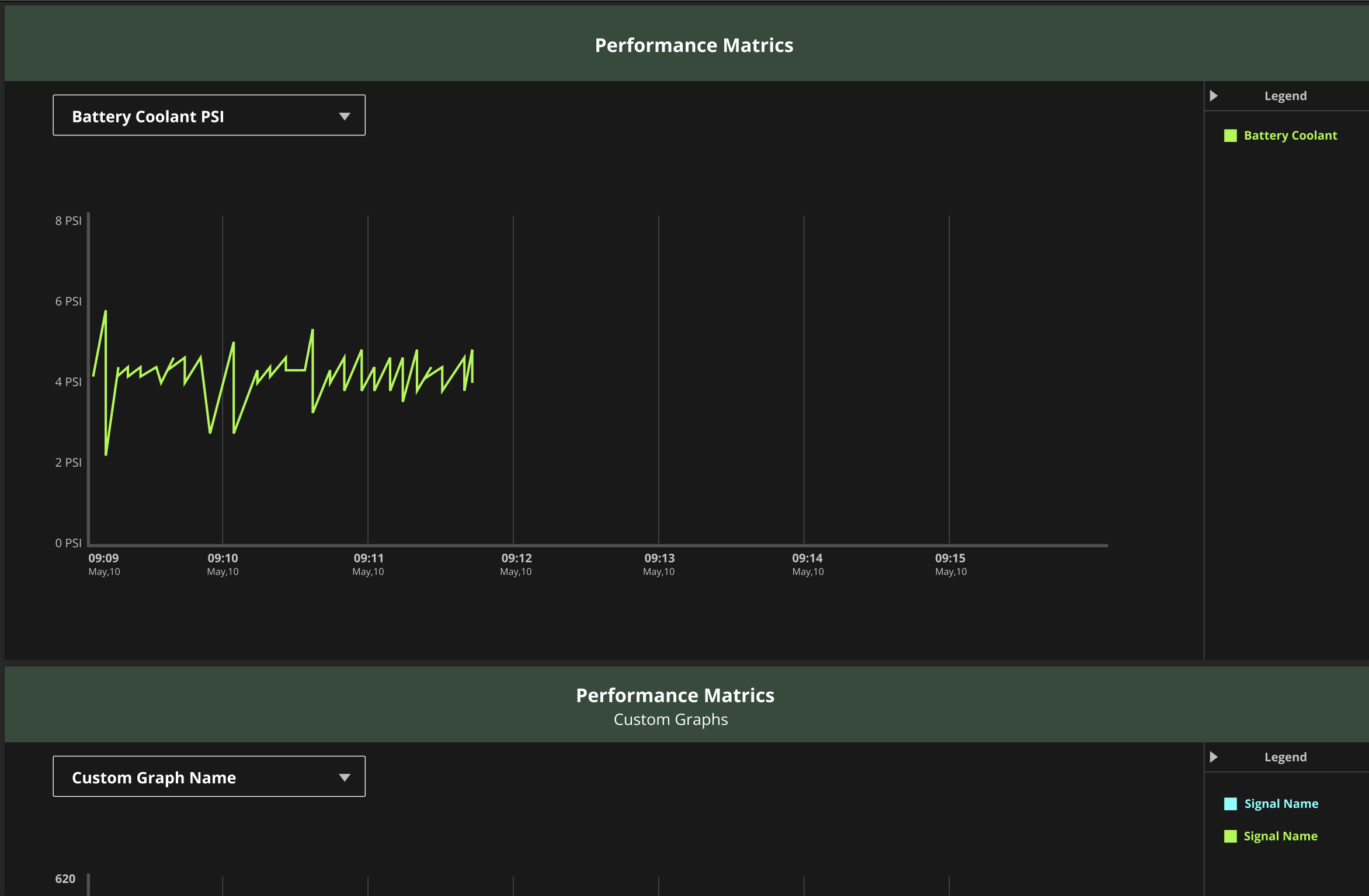
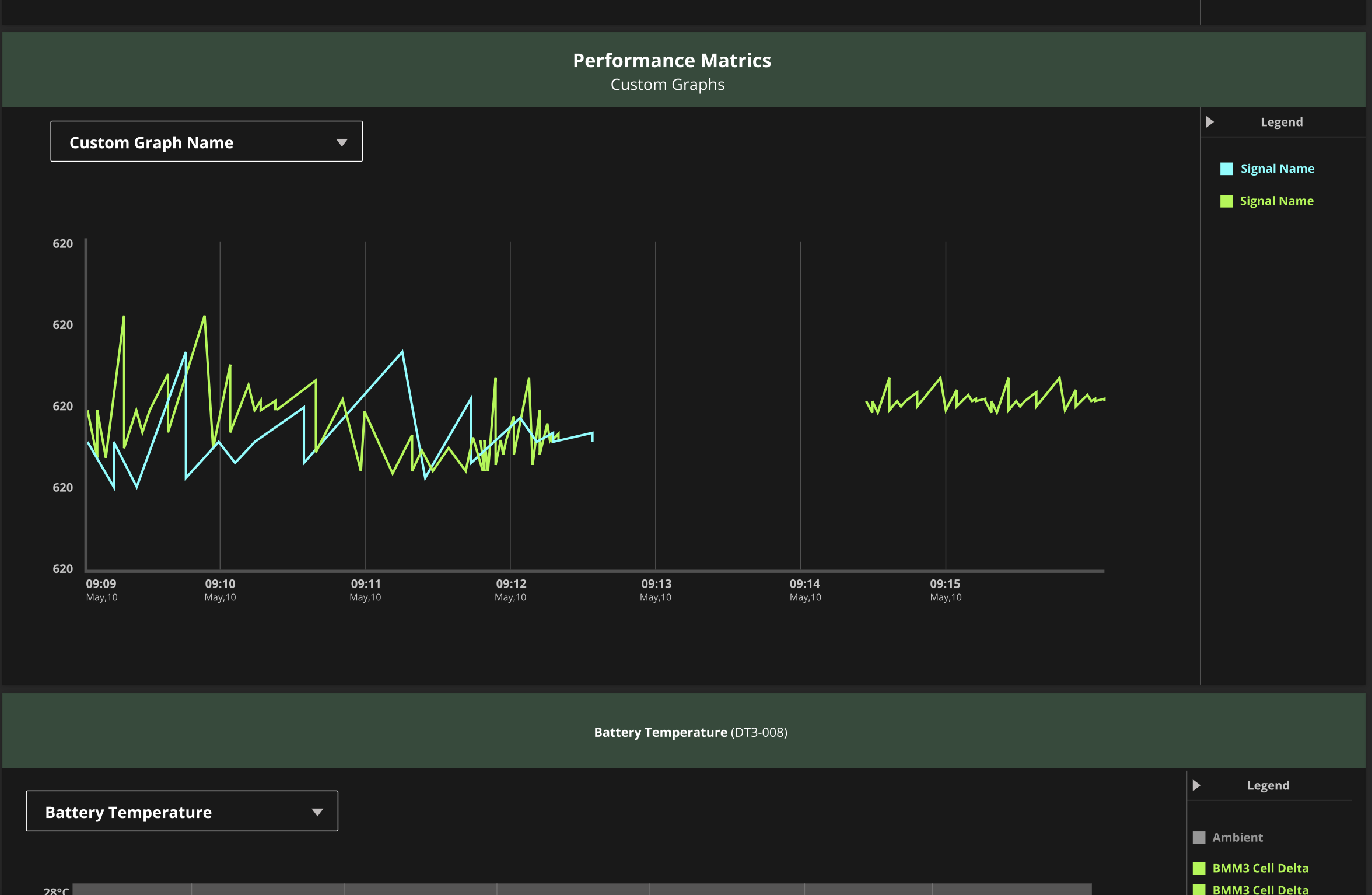
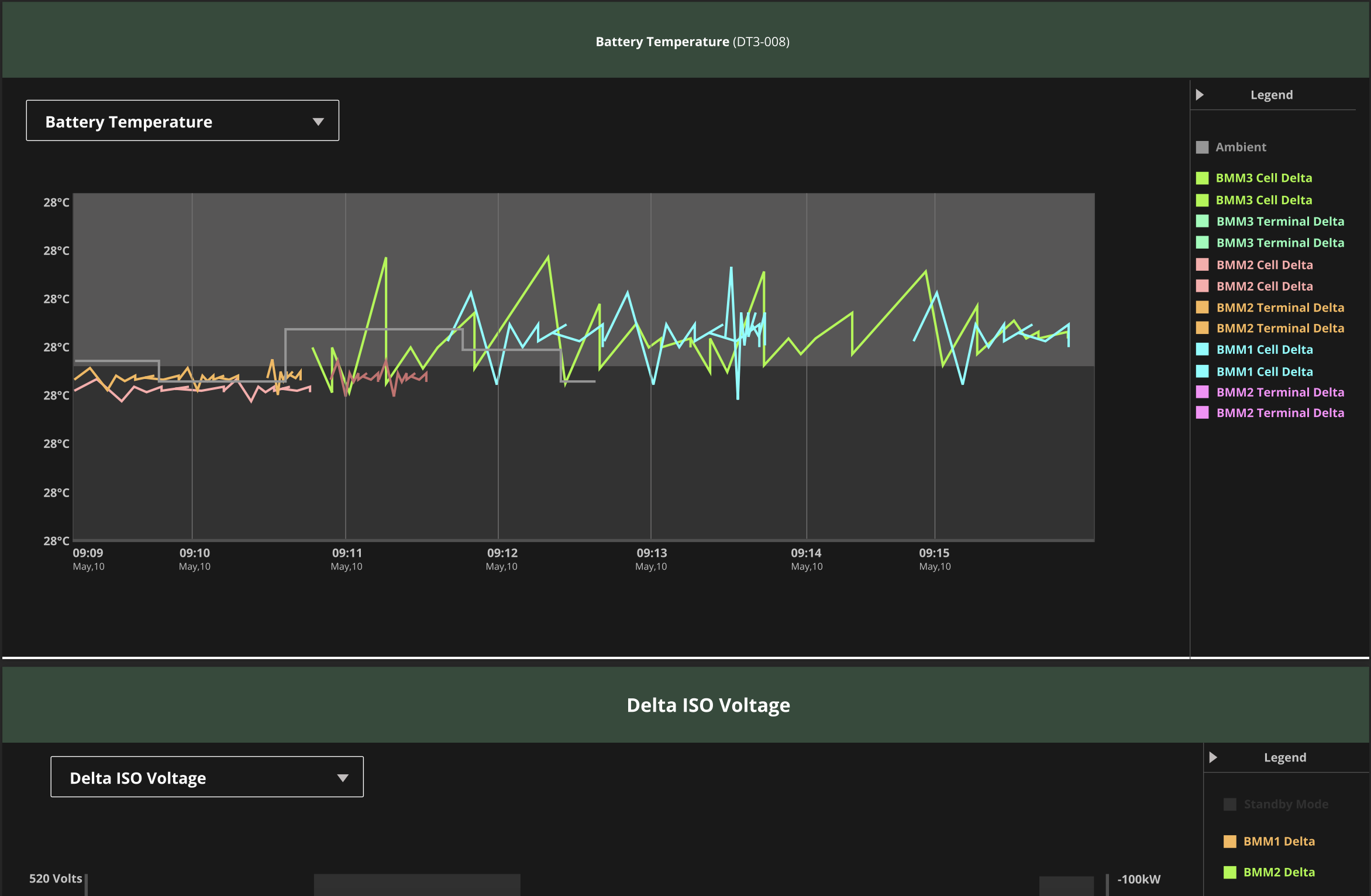
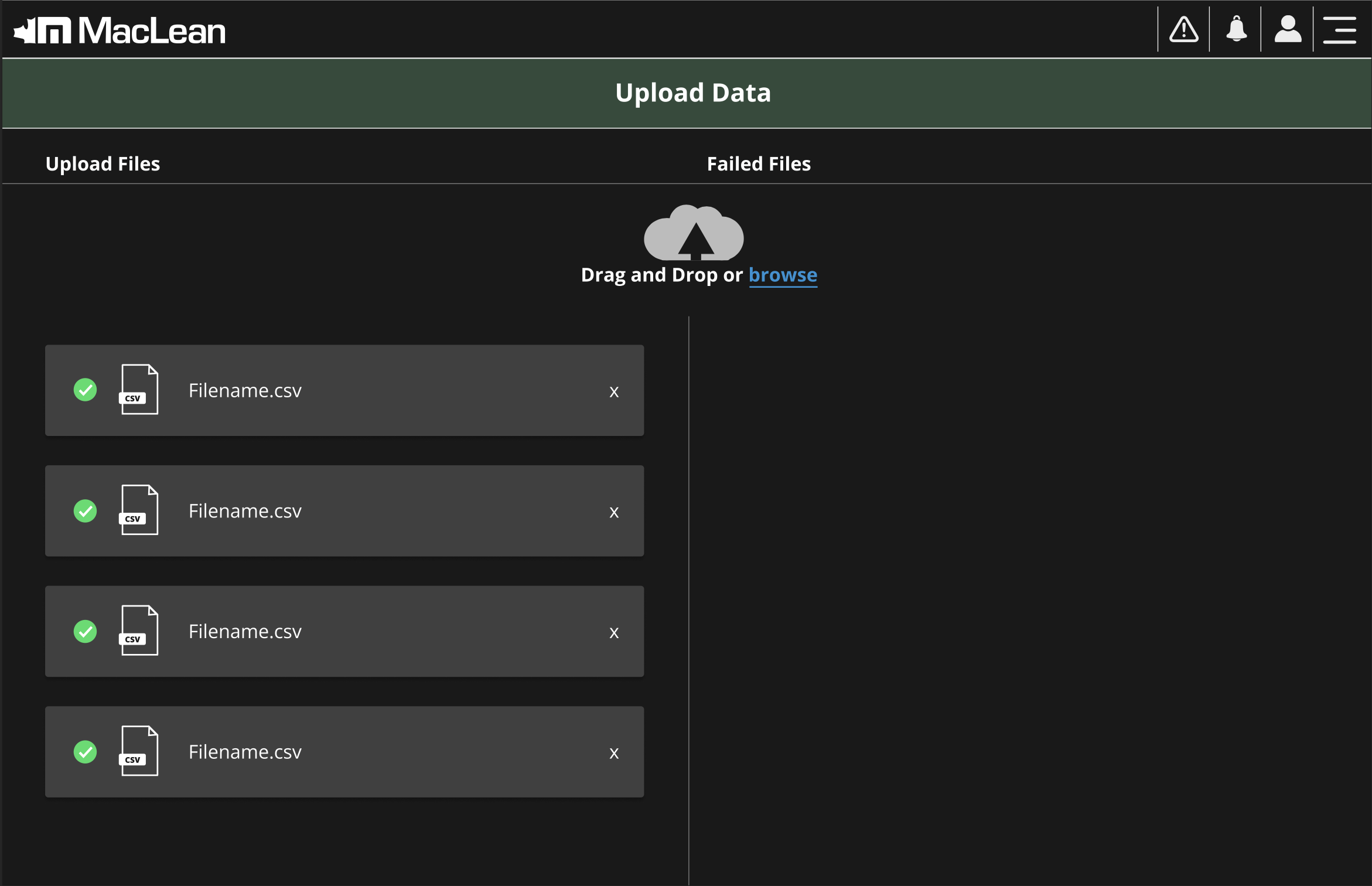
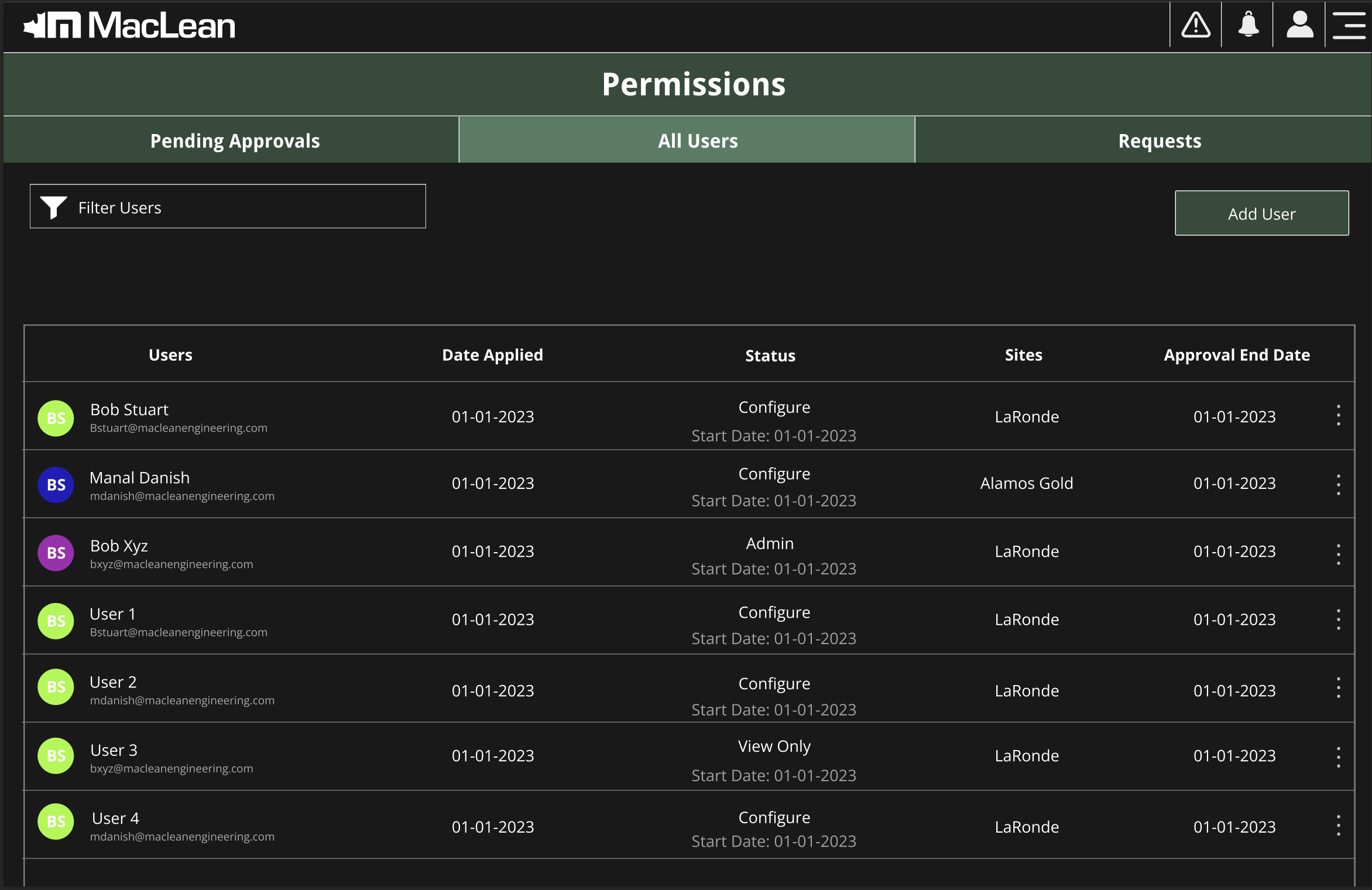
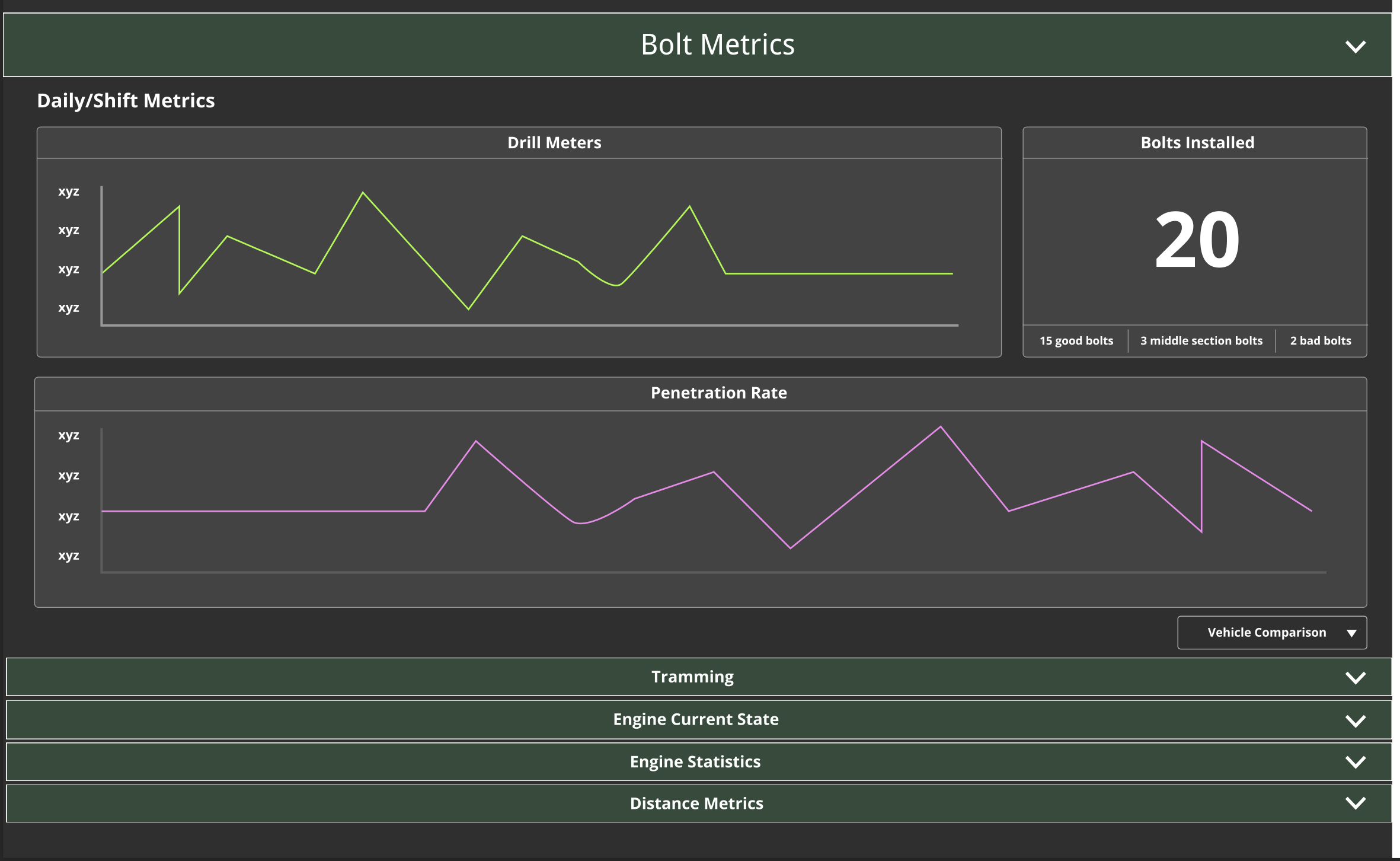
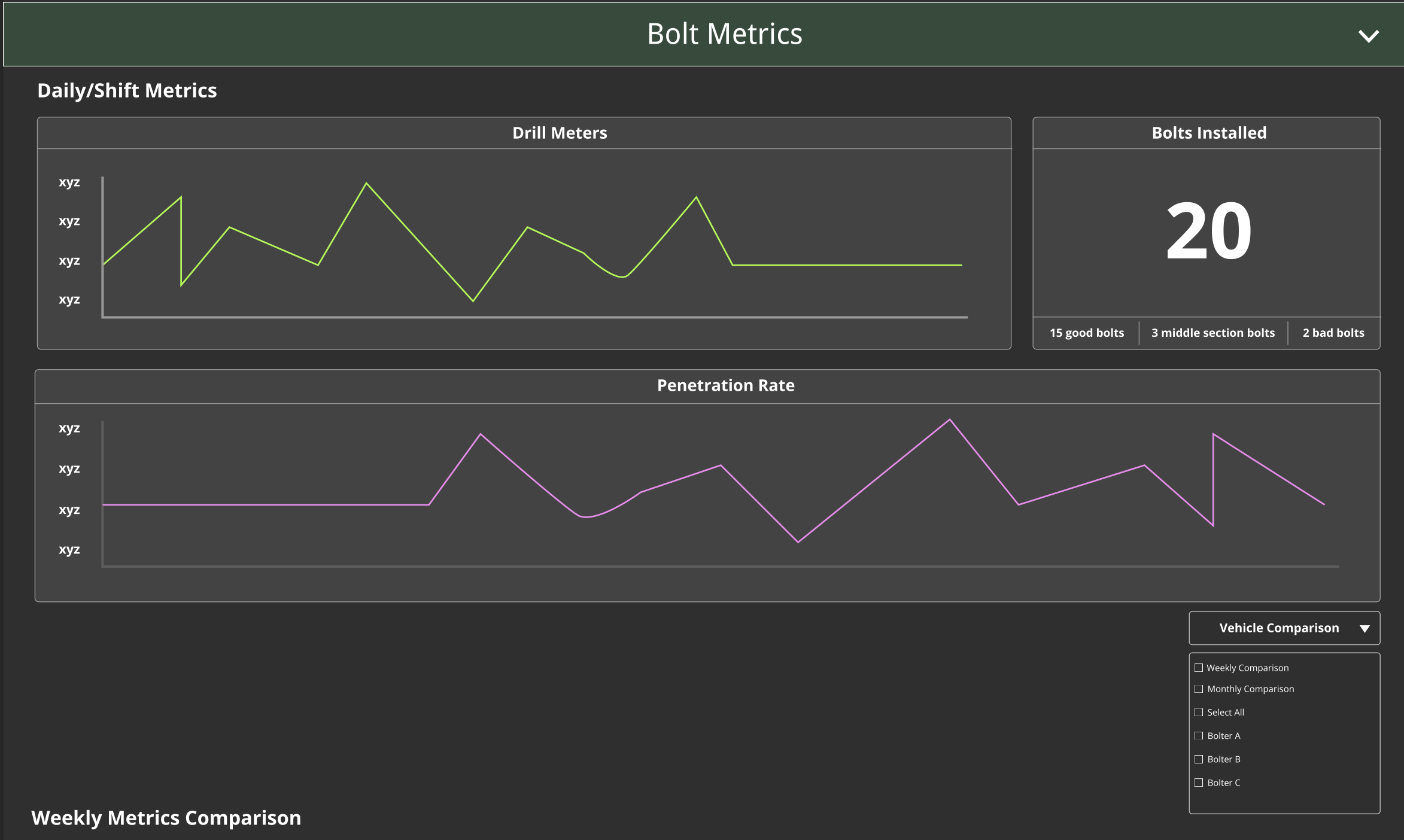
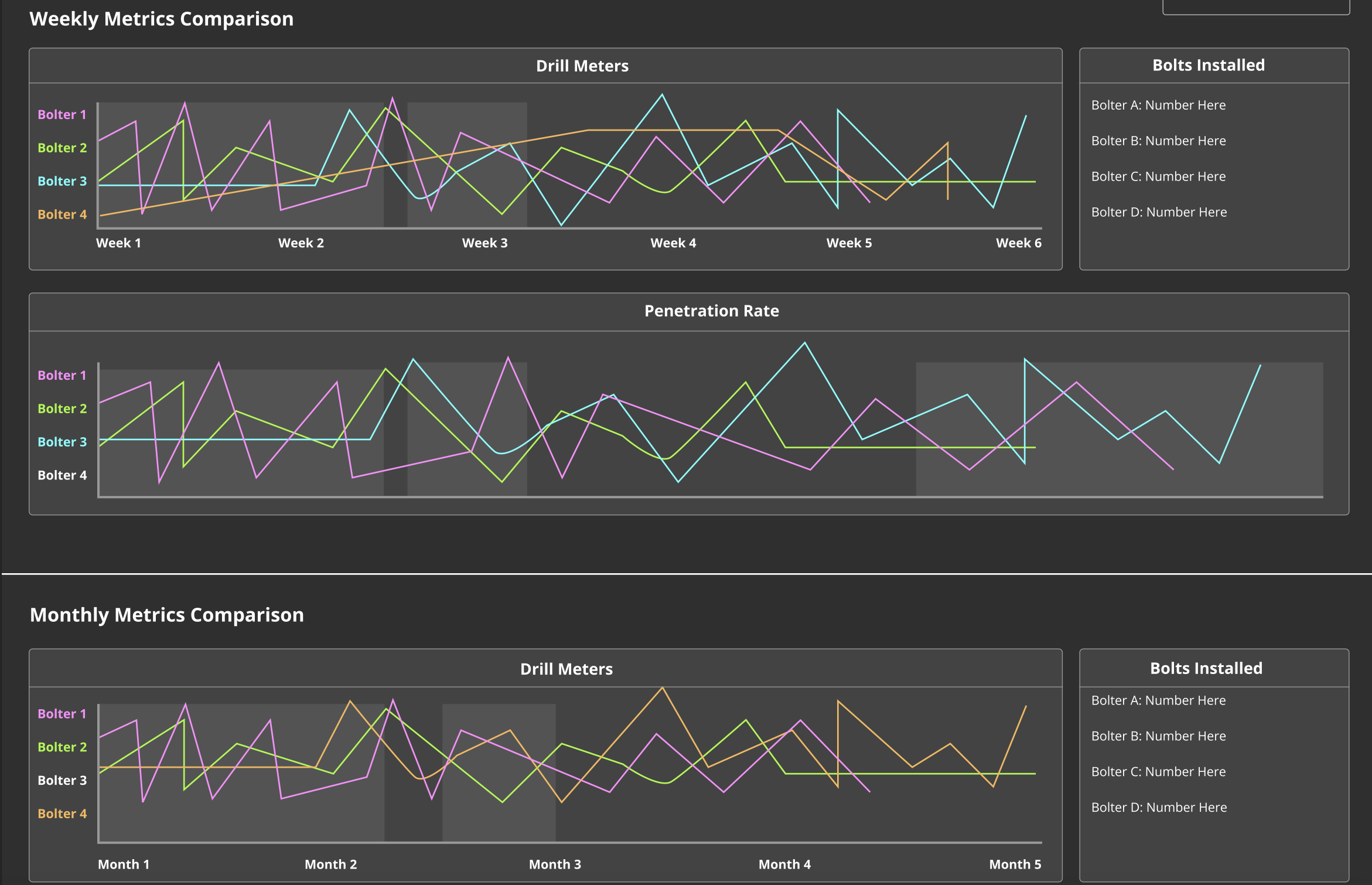
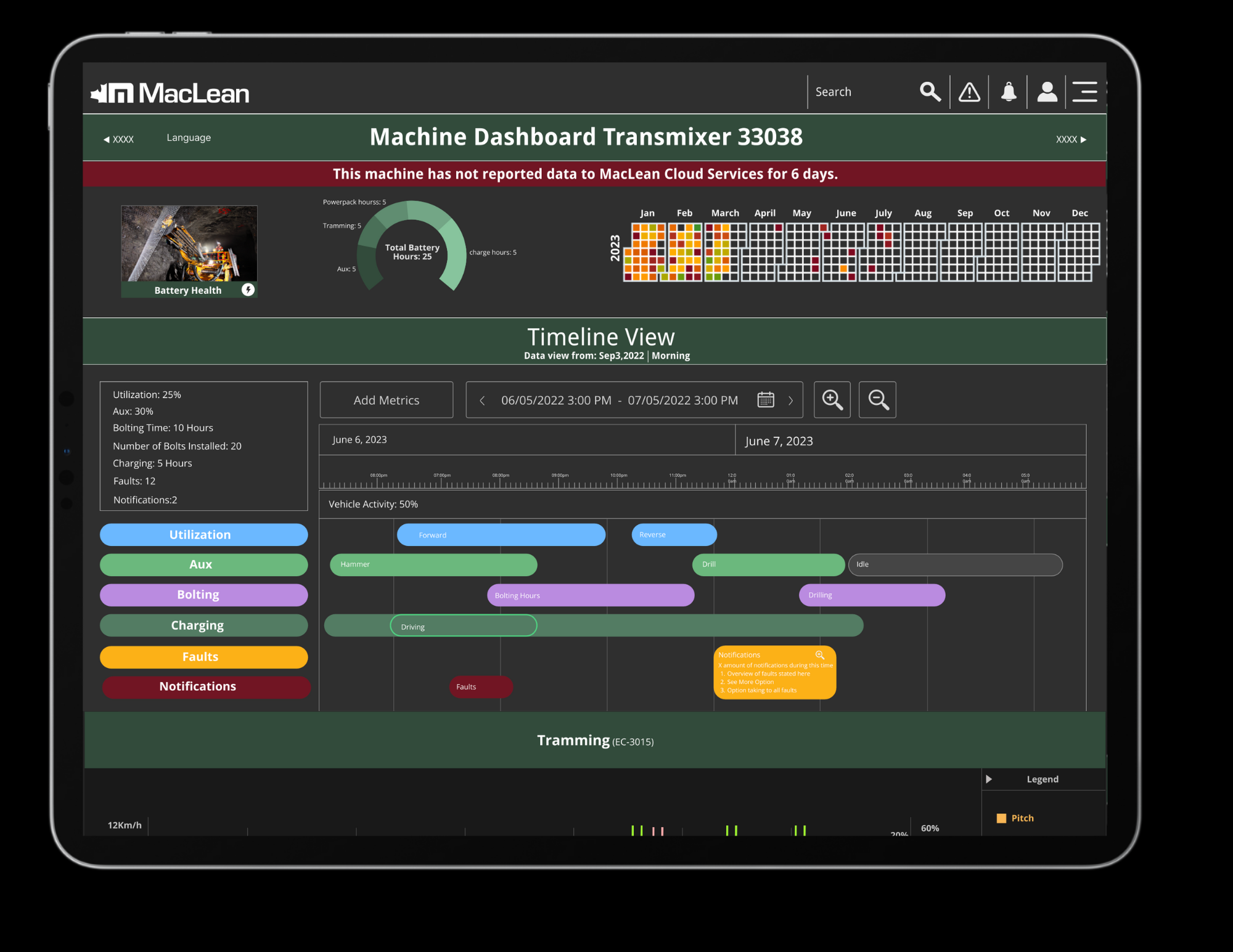
Above is the example of the dashboards I designed for the portal. It consists of all the details that our stakeholders needed.